Her Puberty Questions Answered: A Parent's Guide to Supporting Your Daughter

Share
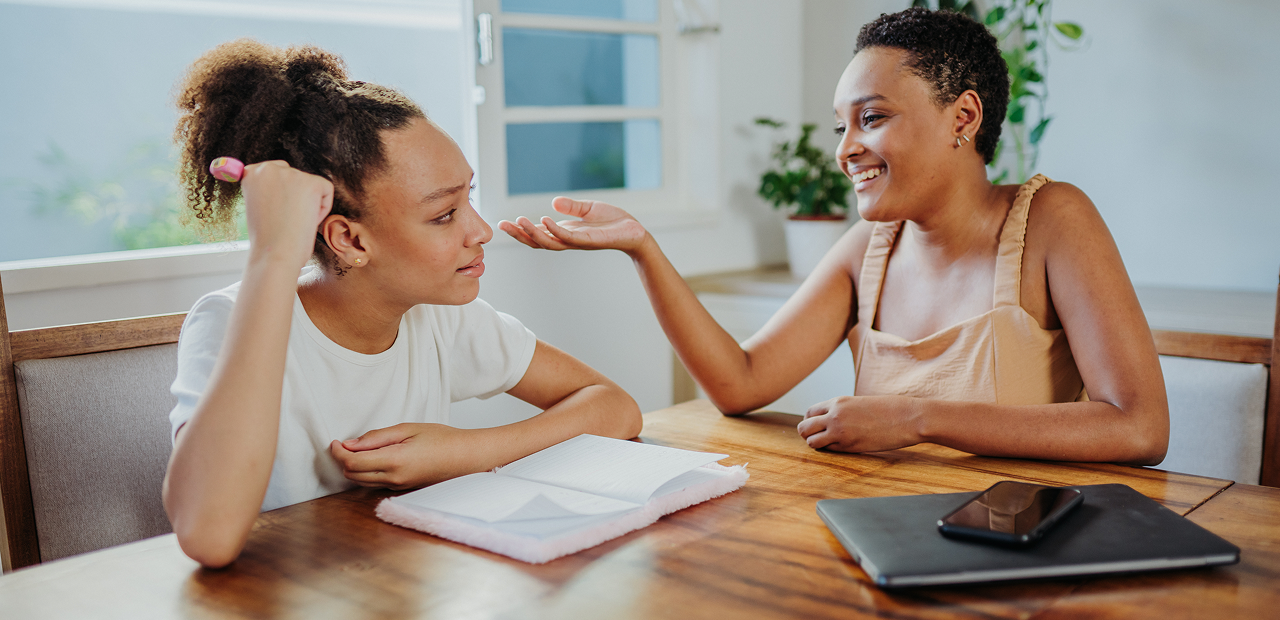
Two young women engage in coversation discussing about puberty

In this article, we'll cover:

Her Puberty Questions Answered: A Parent's Guide to Supporting Your Daughter

Puberty is full of new experiences, body changes, and plenty of questions. As a parent, having honest, age-appropriate conversations can help your daughter feel informed, confident, and prepared for what's ahead.

Here are answers to some of the most common questions girls ask about puberty and periods.

What Is Puberty?

Puberty is a normal stage of development when a child's body begins maturing into adulthood. It usually starts between ages 8 and 13, though every girl develops on her own timeline.

Common signs of puberty include:

  • Breast development
  • Growth spurts
  • Body hair growth
  • Increased sweating and body Odor
  • Vaginal discharge
  • The start of menstruation

These changes are a healthy and natural part of growing up.

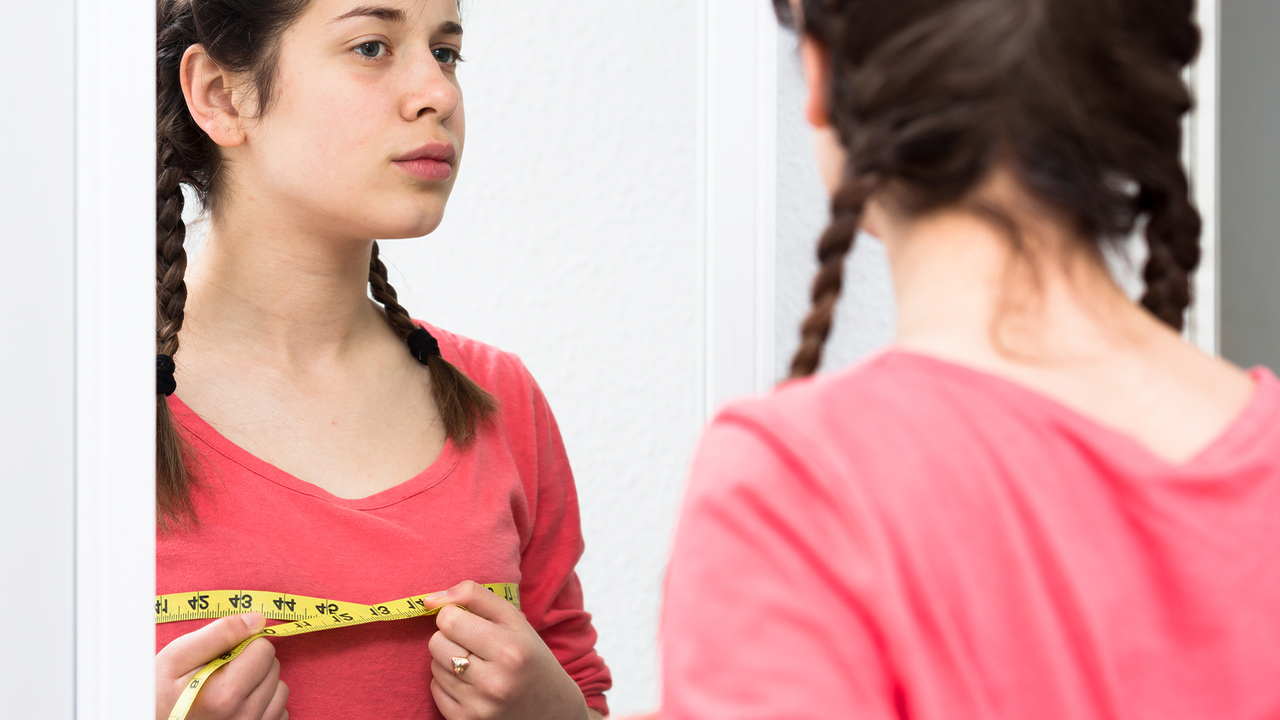
Is It Normal to Gain Weight During Puberty?

Yes. Weight gain during puberty is a normal part of development.

As girls grow, their bodies naturally gain weight, change shape, and develop more body fat. These changes help support healthy growth and development.

Encourage your daughter to focus on healthy habits such as balanced nutrition, movement, and self-care rather than a number on the scale.

What Is Vaginal Discharge?

Vaginal discharge is a normal fluid that helps keep the vagina clean and healthy. It often appears as a clear, white, or slightly yellow fluid in underwear.

Many girls notice discharge before their first period, making it one of the first signs that their body is preparing for menstruation.

If discharge becomes noticeable, some girls choose to wear a pantiliner to help them feel fresh and comfortable throughout the day.

Why Do Girls Get Periods?

A period is a normal part of the menstrual cycle.

Each month, the body prepares for a possible pregnancy by building up the lining of the uterus. If pregnancy doesn't occur, the body sheds that lining through the vagina as a period.

Getting a period is a sign that your daughter's body is growing and developing as part of puberty.

When Will I Get My First Period?

Every girl is different, so there's no exact age when a first period will start.

Many girls get their first period about two years after breast development begins, often between ages 10 and 16. Vaginal discharge may appear several months to a year or more before a first period arrives.

If your daughter has not started her period by age 16, consider speaking with a healthcare professional.

How Much Blood Is Lost During a Period?

While periods can sometimes seem heavy, most girls and women lose only a small amount of menstrual fluid during their cycle.

The body naturally replenishes this blood, so there is usually no need for concern.

What Is Spotting?

Spotting is light bleeding that occurs outside of a regular period.

Occasional spotting can be normal, especially as periods become established. However, frequent, heavy, or unexplained bleeding should be discussed with a healthcare professional.

Do Tampons Hurt?

When inserted correctly, tampons should be comfortable and shouldn't hurt.

Some girls choose to use tampons, especially when swimming, participating in sports, or looking for an alternative to pads. Others prefer pads, period underwear, or menstrual cups.

There is no one "right" product. Encourage your daughter to choose the option that feels most comfortable for her.

Can You Flush Period Products?

No.
Pads, tampons, wrappers, applicators, and pantiliners should always be disposed of in the trash. Flushing period products can cause plumbing issues and sewer blockages.

A simple habit is to wrap used products in toilet paper or their original packaging before placing them in a trash bin.

Will I Get Period Cramps?

Some girls experience menstrual cramps before or during their period, while others experience little or no discomfort.

Period cramps occur when the uterus contracts to shed its lining. If cramps occur, relief may come from:

  • Heat, such as a heating pad or warm bath
  • Gentle movement or stretching
  • Rest and hydration
  • Over-the-counter pain relief, when appropriate and recommended by a healthcare professional

If period pain regularly interferes with school, sports, sleep, or daily activities, it's a good idea to speak with a healthcare provider.

What Should I Do If I Get My Period at School?

Getting your first period away from home can feel stressful, but a little preparation can help.
Consider packing a small first-period kit with:

  • Pads
  • A spare pair of underwear
  • A pantiliner
  • Any comfort items she may want

If your daughter gets her period unexpectedly, remind her that she can ask a trusted teacher, school nurse, counselor, coach, or friend for help.

Can I Predict When My Next Period Will Start?

Periods can be irregular during the first few years, so predicting them isn't always easy.
Encourage your daughter to track her cycle using a notebook, calendar, or period-tracking app. Over time, she may start to notice patterns that can help her feel more prepared for her next period.

Remember: Questions Are a Good Thing

Puberty can feel exciting, confusing, and sometimes overwhelming. That's why keeping communication open is so important.

The more comfortable your daughter feels asking questions, the more confident and prepared she'll be as she navigates puberty, periods, and all the changes that come with growing up. Most importantly, remind her that every body develops differently, and that's completely normal.

Product Recommender