Key Takeaways
Got questions about periods? You're not alone. Understanding what's normal, from first-period signs and cramps to period flow and hygiene, can help you feel more confident, prepared, and comfortable as your body grows and changes.
If you have questions about periods, you're definitely not alone. Getting your first period is a big milestone, and it's completely normal to wonder what's happening, what's normal, and what to expect next.
The more you understand your body, the more confident and prepared you'll feel. Here are answers to some of the most common questions girls have about periods.
A period is a normal part of growing up and reproductive health.
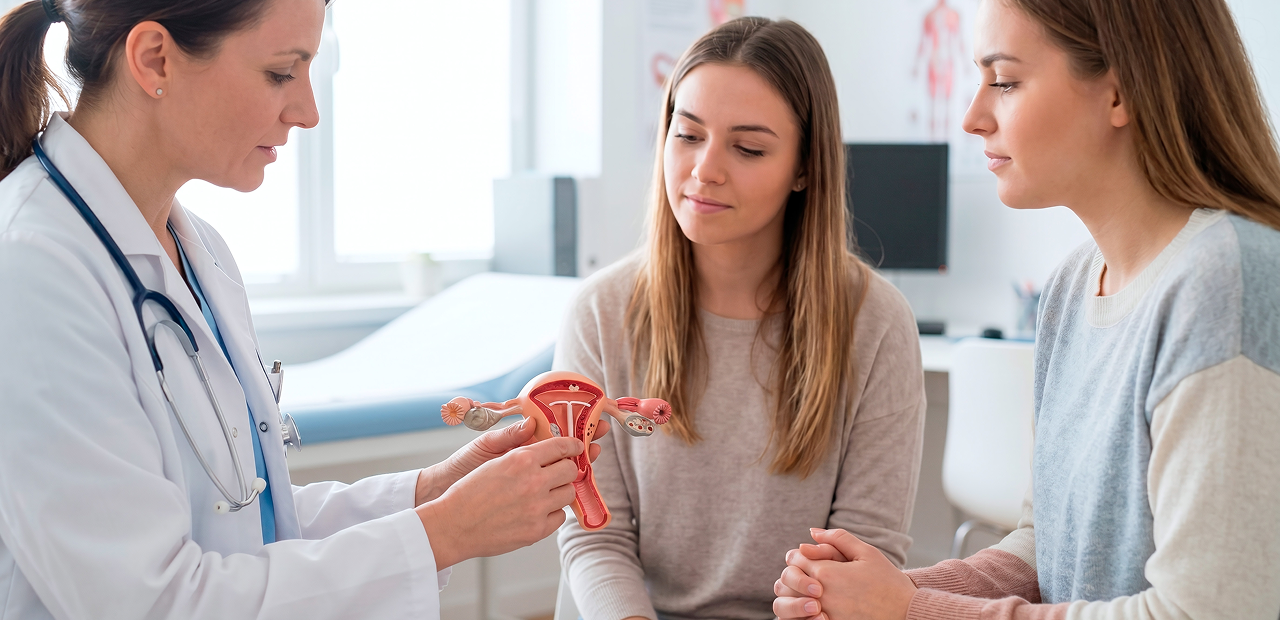
Each month, the uterus builds a lining in preparation for a possible pregnancy. If pregnancy doesn't happen, the body sheds that lining through the vagina. This monthly process is called menstruation, or a period.
Getting your period is a sign that your body is growing and developing as part of puberty.
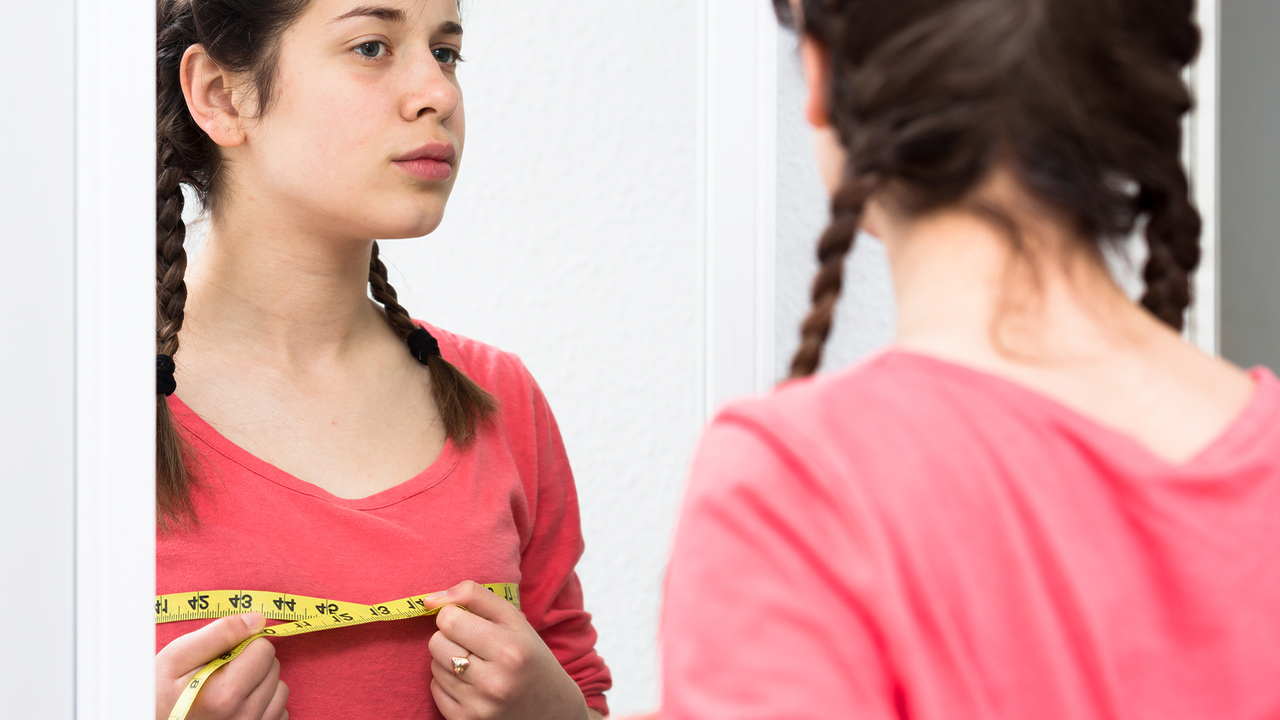
Before your first period arrives, your body will likely go through several signs of puberty. These changes are completely normal and show that your body is growing.
You may notice:
Breast development
Growth of body hair
A growth spurt
Increased sweating or body odor
Mood changes
Vaginal discharge
Vaginal discharge is one of the most common signs that your first period may be approaching. Some girls choose to wear a daily liner to help them feel fresh and comfortable when discharge begins.
Products like Always Thin Liners or Always Xtra Protection Liners can provide light, discreet protection during this stage.
The flow itself doesn't usually feel like much. In fact, you may not even notice it at first.
Some girls notice:
A feeling of dampness in their underwear
Mild cramping in the lower abdomen
Bloating
Tender breasts
Mood changes before or during their period
Every person's experience is different, and your symptoms may change from cycle to cycle.
Periods shouldn't have a strong odor.
Menstrual fluid can develop a mild smell when it comes into contact with air, but changing your period products regularly and maintaining good hygiene can help you feel fresh and comfortable.
If you notice a strong or unusual odor, talk to a healthcare professional.
Having a period doesn't automatically mean you'll have pain, but some girls experience cramps or discomfort.
Period cramps occur when the uterus contracts to shed its lining. Some people experience mild cramps, while others may have stronger symptoms.
If period pain regularly interferes with school, activities, sleep, or everyday life, it's a good idea to talk with a healthcare professional.
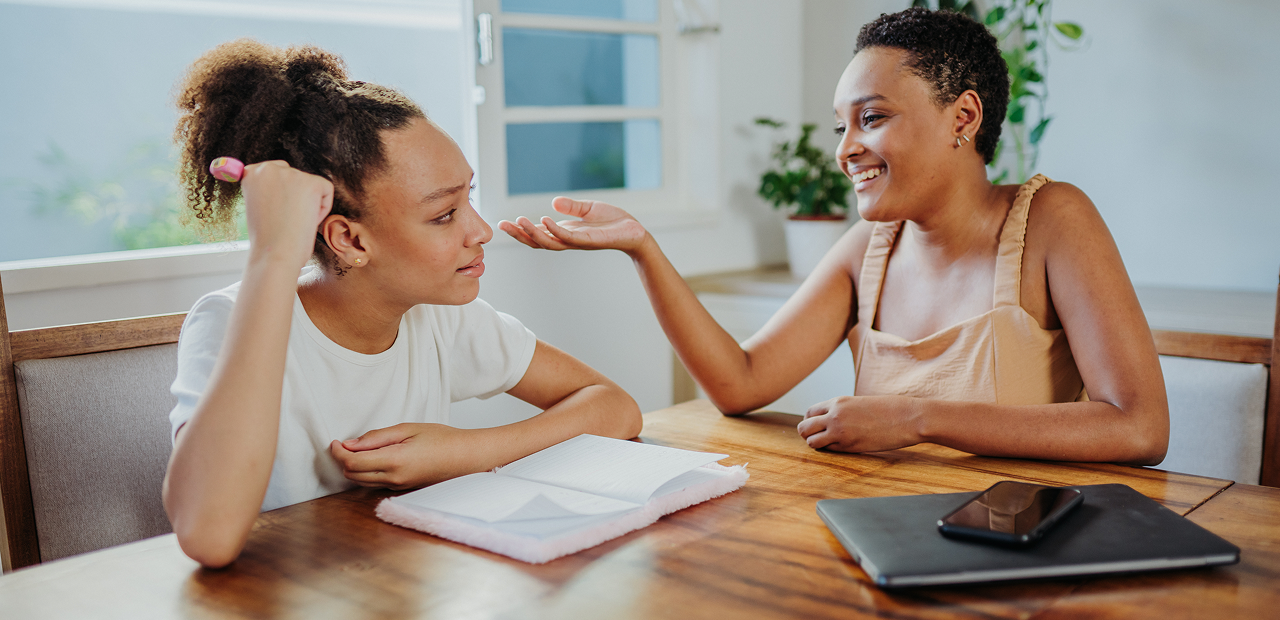
Many girls feel nervous about talking about their first period, and that's completely normal.
Consider reaching out to a trusted adult, such as:
A parent or caregiver
An older sibling
A relative
A school nurse
Another trusted adult in your life
Remember, periods are a normal part of growing up, and the adults around you are there to support you.
Absolutely.
Taking a bath or shower during your period is a great way to stay clean, comfortable, and confident. In fact, warm water may even help soothe cramps and help you relax.
Maintaining your usual hygiene routine during your period can help you feel fresh and comfortable throughout the day.
Not at all.
Your period shouldn't stop you from doing the things you enjoy. You can still:
Go to school
Play sports
Spend time with friends
Travel
Participate in activities and hobbies
The key is finding period protection that fits your flow and lifestyle.
No, not unless you choose to tell them.
Period products are designed to be discreet, and most people won't know you're on your period unless you decide to share that information.
Who you talk to about your period is entirely up to you.
It often looks like more than it actually is.
Most girls and women lose only a small amount of menstrual fluid during their period, usually spread out over several days. Your body naturally replaces this blood, so there's no need to worry.
Periods continue for many years as part of the reproductive cycle.
Eventually, menstruation stops during a stage of life called menopause, which typically occurs later in adulthood. Until then, periods are a normal part of life for most women and people who menstruate.
Remember: Every Period Is Different
No two people experience their periods in exactly the same way. Your flow, symptoms, cycle length, and experience are unique to you.
The most important thing to remember is that periods are normal, healthy, and nothing to be embarrassed about. The more you learn about your body, the more confident you'll feel navigating puberty and everything that comes with it.