It's a good idea to seek medical advice if your daughter experiences:
- Severe menstrual cramps or pelvic pain
- Very heavy periods
- Bleeding that lasts longer than a week
- Frequent spotting between periods
- Persistent vaginal itching, pain, or unusual discharge
- Delayed puberty or delayed onset of menstruation
- Significant mood or emotional health concerns
- Questions about reproductive or sexual health
Remember: Every Puberty Journey Is Different
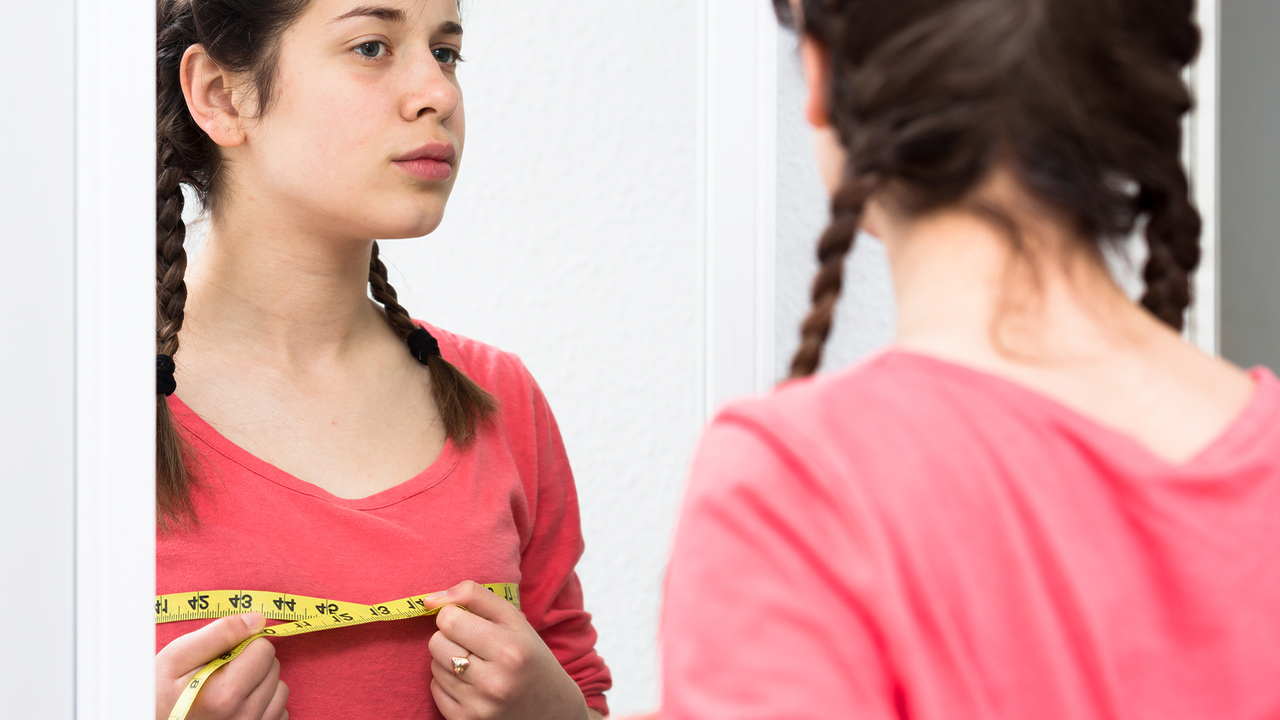
Puberty doesn't follow a perfect timeline, and no two girls experience it exactly the same way. Most changes are a normal part of development, even when they feel unexpected.
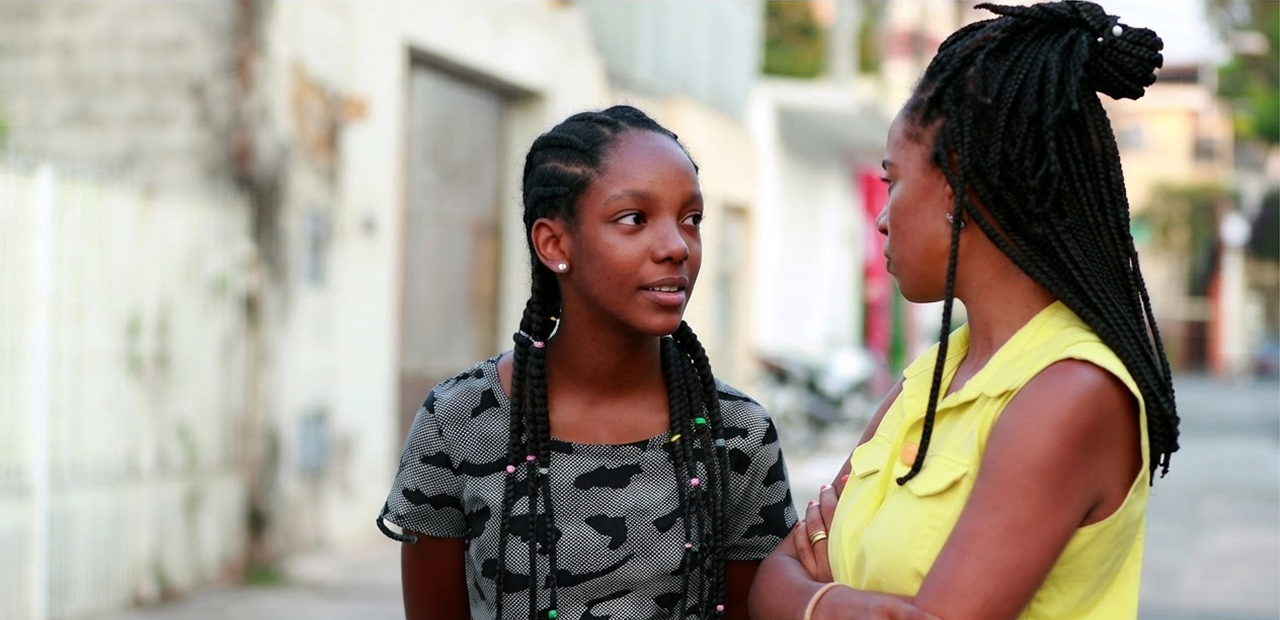
The most important thing you can do is keep communication open, listen to your daughter's concerns, and remind her that she doesn't have to navigate these changes alone. When questions arise, don't hesitate to reach out to a healthcare professional for guidance and reassurance.
By knowing what's typical and when to seek support, you can help your daughter move through puberty feeling informed, confident, and supported every step of the way.