How to Talk to Your Daughter About Periods & Puberty

Share
Two women sharing a joyful moment while looking at a tablet, showcasing connection and happiness

In this article, we'll cover:

How to Talk to Your Daughter About Periods & Puberty

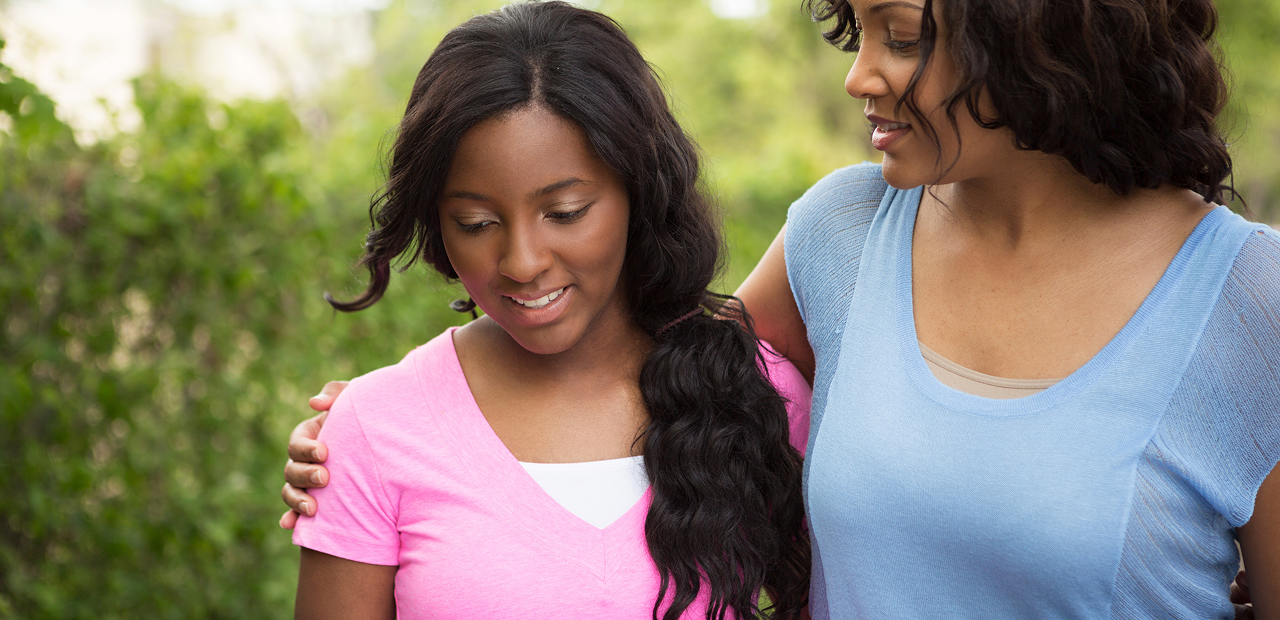
Puberty is an important milestone, and the way you talk about it can help shape how your daughter feels about her changing body. By keeping conversations open, reassuring, and age-appropriate, you can help her feel informed, confident, and prepared for what's ahead.

Start Early and Keep the Conversation Going

You don't need one big "puberty talk." Instead, look for everyday moments to start small conversations and build on them over time.

If you notice vaginal discharge in her underwear, let her know it's a normal sign that her body is growing. You can introduce pantyliners to help her stay comfortable and use this as a natural opportunity to explain that periods may be coming in the future.

What Changes Can She Expect?

Puberty usually begins between ages 9 and 13. Every girl develops at her own pace, but common signs include:

  • Breast development
  • Weight and body shape changes
  • Acne or pimples
  • Growth of body hair
  • Greasier hair
  • Increased sweating and body odor
  • Vaginal discharge
  • Mood changes
  • Broader hips and thighs
  • Reassure her that all her peers are going through—or will soon go through—these same changes.

Remind her that these changes are a normal part of growing up and that everyone experiences puberty differently.

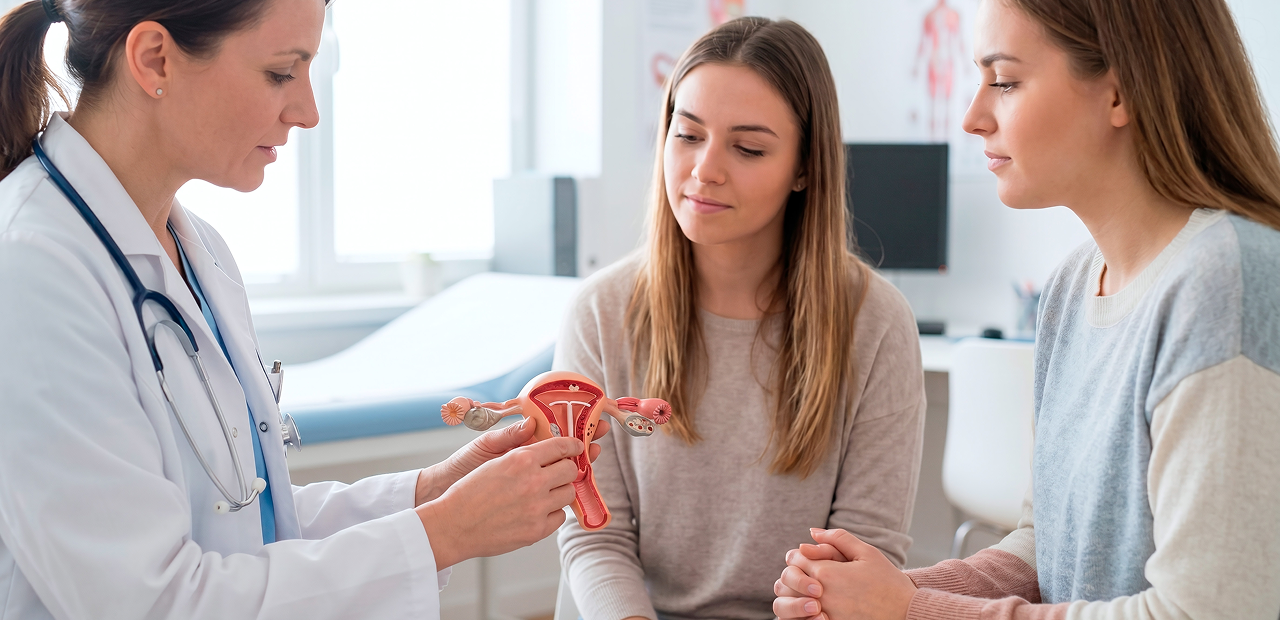
Note: If your daughter hasn't shown signs of puberty by age 13, consider speaking with a healthcare professional.

Be Open, Honest, and Matter-of-Fact

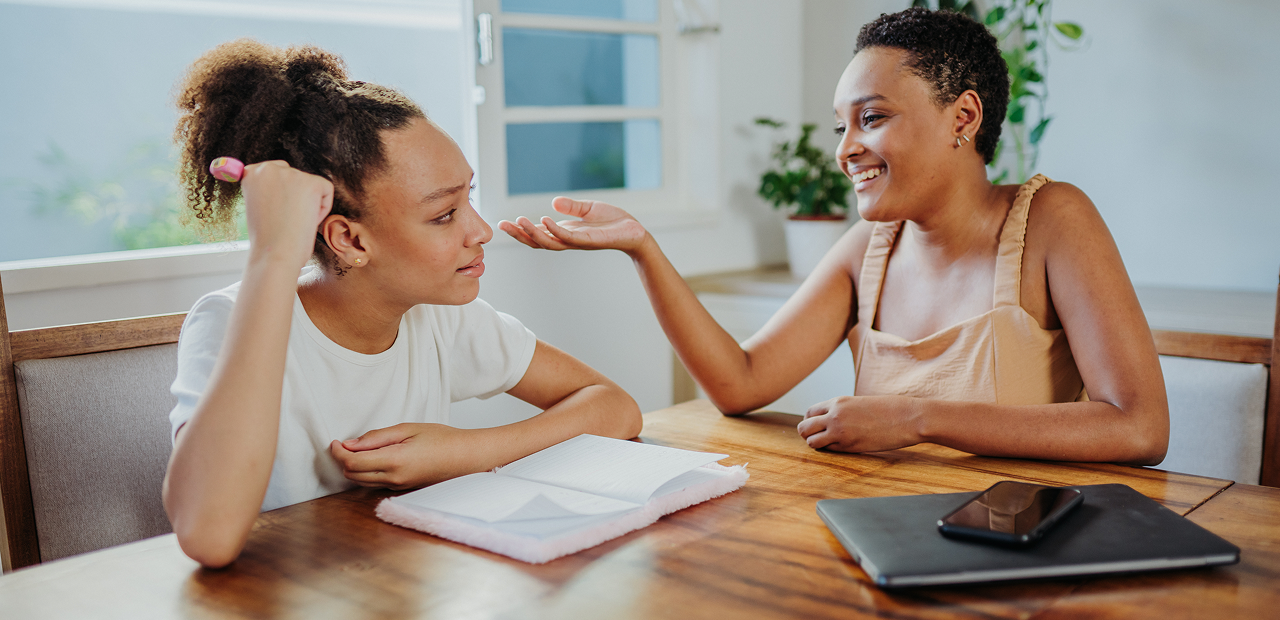
Using clear, accurate language helps your daughter understand that periods and puberty are normal parts of life. Avoid tiptoeing around the subject or using euphemisms like "foof," "front bottom," or "time of the month." These terms can unintentionally signal that periods are something to be embarrassed about.

Key messages to share:

  • Puberty happens to everyone.
  • Periods are a healthy sign that her body is growing.
  • There's nothing embarrassing about talking about her body.
  • She can always come to you with questions.

Share Your Own Experiences

Research shows that when mothers share personal puberty stories, it gives daughters a framework for understanding their own experiences. Your story doesn't have to be perfect—even a difficult experience (like feeling embarrassed about your period at school) can be valuable, as long as it includes a positive resolution.

Sharing personal experiences:

  • Normalizes the process
  • Builds trust
  • Opens the door for ongoing conversation

Use Tools and Resources

If you're unsure how to start the conversation, use available resources to help. Books, videos, apps, and educational websites designed for this topic can provide structure and reduce awkwardness for both of you.

Write Her a Note

If a face-to-face conversation feels awkward for either of you, a written note is a low-pressure way to open dialogue. Leave it somewhere she'll find it. Keep the tone warm and personal—it should sound like you.

Example note:

"Hi sweetheart, I noticed you might have some questions about the changes happening to your body. I just want you to know I'm here whenever you're ready to talk. There's nothing you can't ask me."

Encourage Period Openness at Home

The more normalized periods are in your household, the more comfortable your daughter will feel.

Practical ways to do this:

  • Involve other family members: Ask Dad to pick up pads or tampons from the store, or have a sibling put period products away when unpacking groceries.

  • Talk openly: Mention when you have your period so your daughter understands it's not a taboo subject.

Getting Her Period-Ready: A Practical Checklist

Once she understands puberty, prepare her practically for her first period.

1. Do a Product Show-and-Tell

Walk her through the range of period products available:

  • Pads (various sizes and absorbencies)
  • Tampons (with and without applicators)
  • Menstrual cups
  • Period underwear

Show her what you use and explain the pros and cons of each.

2. Discuss Her Preferences

Let her choose what she'd like to try. Most girls start with pads. Consider products designed for teens, such as thin, flexible options with reliable protection. Use a sizing or fit chart to help her find the right absorbency level.

3. Pack a First-Period Kit

Help her put together a small pouch to keep in her school bag. Include:

  • A selection of pads or tampons in different sizes
  • Spare underwear
  • Hand sanitizer

Any other comfort items she'd like

Being prepared reduces anxiety about her first period arriving unexpectedly.

Product Recommender