PMS Relief: 10 Simple Tips to Help You Feel Your Best

Share
Smiling woman walking in a sunlit park, holding a coffee cup, enjoying a leisurely day surrounded by greenery

In this article, we'll cover:

PMS Relief: 10 Simple Tips to Help You Feel Your Best

If PMS has you feeling like you're on an emotional rollercoaster, you're not alone. Premenstrual syndrome (PMS) can bring a variety of symptoms, from mood changes and low energy to bloating and cramps. The good news? Small changes to your routine can help you manage symptoms and feel more comfortable throughout your cycle.
Here are 10 simple ways to support your body and mind when PMS strikes.

1. Make Small Changes to Your Diet

What you eat can affect how you feel before your period.

Try to:

  • Limit salty foods, which can contribute to bloating
  • Cut back on caffeine if it makes you feel jittery or anxious
  • Reduce sugary drinks and highly processed foods
  • Eat balanced meals with protein, fruits, vegetables, and whole grains

Nourishing your body can help support steady energy levels and overall well-being.

2. Eat Regularly Throughout the Day

Long gaps between meals can sometimes leave you feeling tired or irritable. Instead of skipping meals, aim for balanced snacks and meals throughout the day to help maintain stable energy and blood sugar levels.

3. Prioritize Sleep

Sleep can make a big difference in how you feel physically and emotionally during PMS.

Try to:

  • Aim for 8-10 hours of sleep each night
  • Follow a consistent bedtime routine
  • Limit screen time before bed

Getting enough rest can help improve mood, energy, and focus.

4. Stick to Your Routine

When PMS symptoms show up, it can be tempting to cancel plans or stay in bed all day. While it's important to rest when you need to, maintaining normal routines like school, activities, exercise, or time with friends can help support your mood and keep you feeling connected.

5. Get Moving

Gentle movement can help ease PMS symptoms and period discomfort. Consider:

  • Stretching
  • Walking
  • Yoga
  • Dancing
  • Any activity you enjoy

Physical activity can boost your mood and help relieve tension.

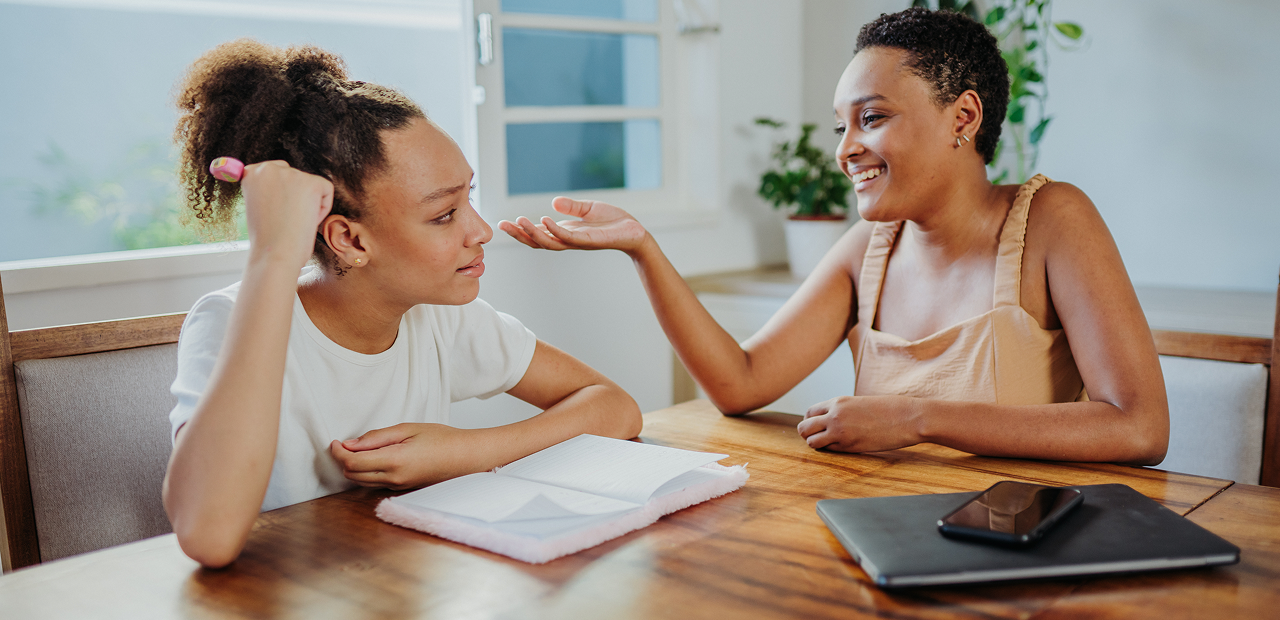
6. Talk to Someone You Trust

You don't have to handle PMS on your own. Whether it's a parent, caregiver, sibling, trusted adult, or close friend, talking about how you're feeling can help you feel supported and understood.

7. Find Ways to Manage Stress

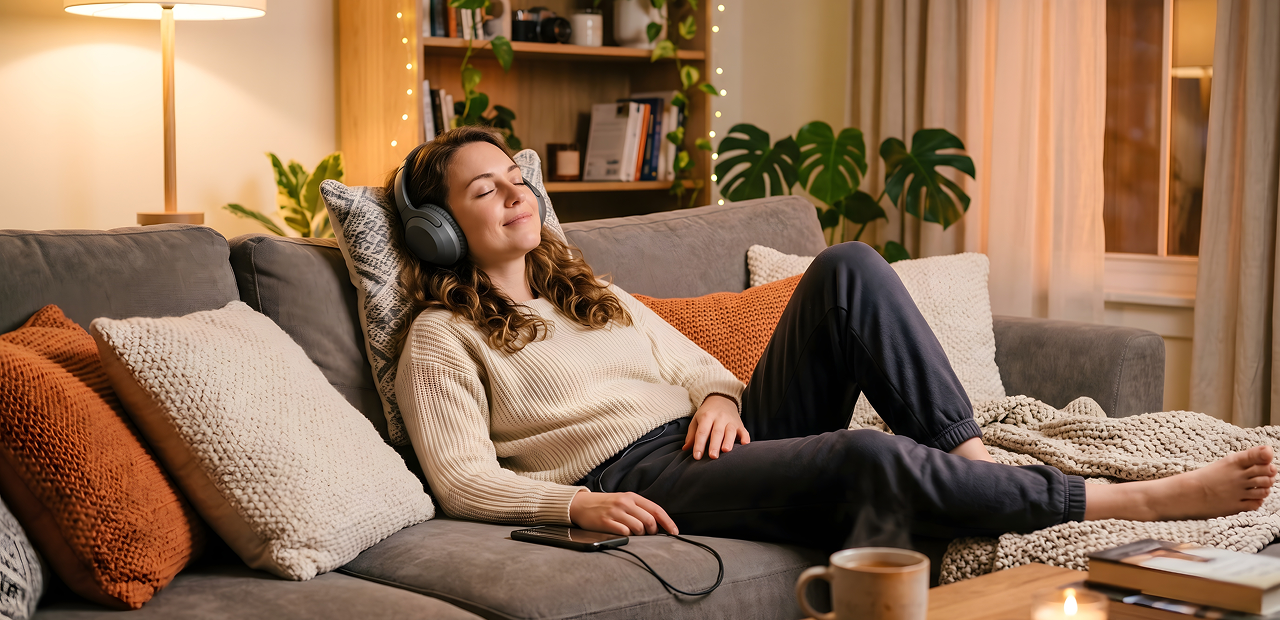
Stress can sometimes make PMS symptoms feel more intense. Try activities that help you relax, such as:

  • Listening to music
  • Reading
  • Spending time outdoors
  • Journaling
  • Practicing mindfulness or deep breathing

Even a few minutes of self-care can help you feel more balanced.

8. Manage Period Pain

If cramps are making your day harder, there are ways to find relief. Some people find comfort from:

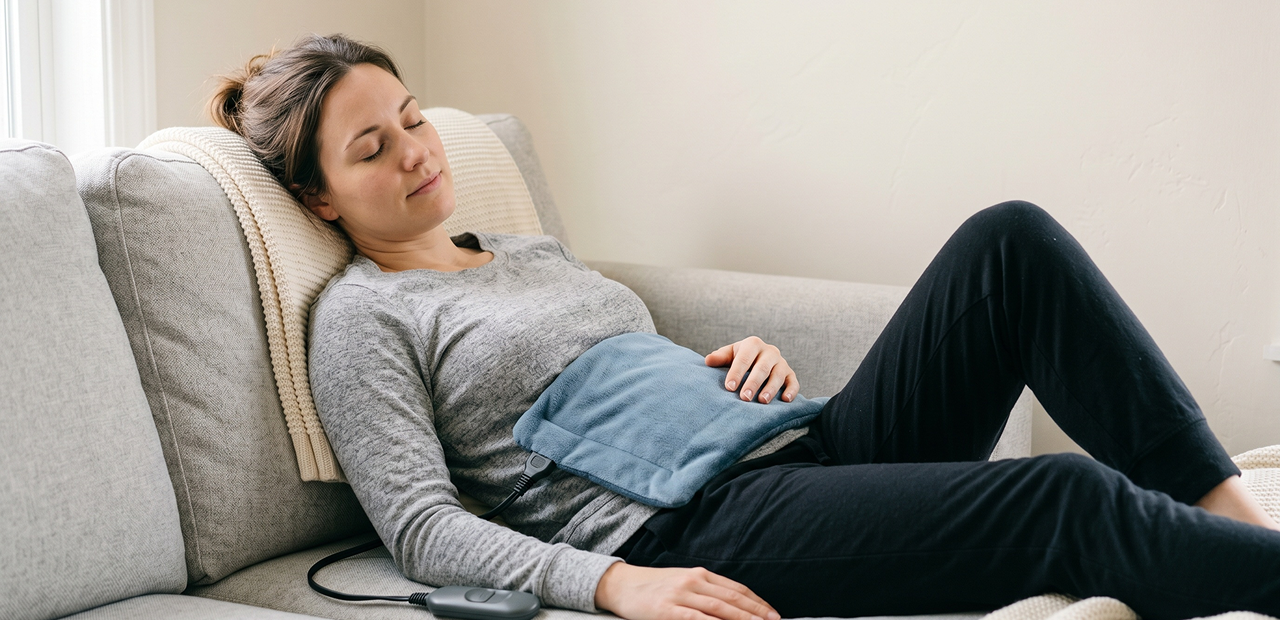
  • A heating pad or warm compress
  • Light exercise or stretching
  • Over-the-counter pain relievers, when used as directed and recommended by a healthcare professional

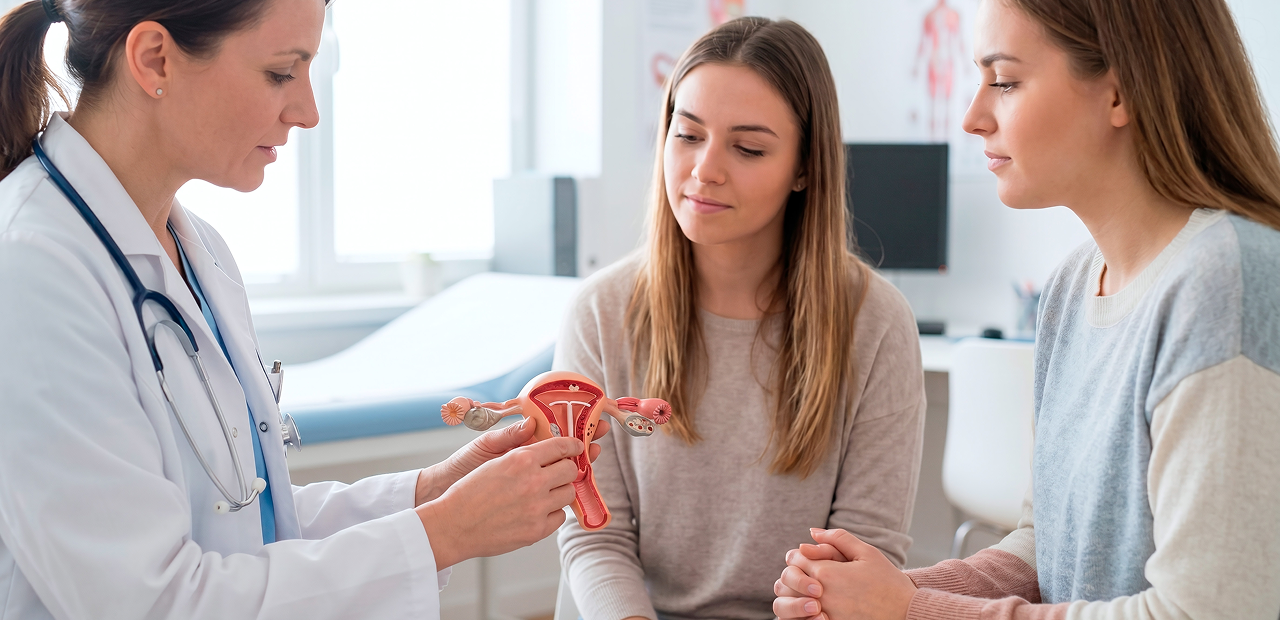
If your pain is severe or interferes with daily activities, talk with a healthcare provider.

9. Lean on Your Friends

Many of your friends may be experiencing similar symptoms and challenges. Sharing experiences can help you realize you're not alone and make difficult days feel a little easier.

10. Ask for Help if You Need It

While PMS is common, severe symptoms shouldn't be ignored. Talk to a healthcare professional if:

  • PMS significantly affects your daily life
  • Symptoms seem to be getting worse
  • Pain is severe
  • You're concerned about changes in your cycle

Getting support is an important part of taking care of your health.

Remember: Every Body Is Different

PMS looks different for everyone. What works for one person may not work for another, so don't be afraid to try different strategies and find what works best for you. Most importantly, be patient with yourself. Your body is working hard throughout your cycle, and taking small steps to care for it can make a big difference in how you feel each month.

Product Recommender