All About Menstrual Cramps and Your Period Pain

Share
Child enjoying a spoonful of chocolate spread from a jar while sitting on the kitchen floor, smiling happily

In this article, we'll cover:

All About Menstrual Cramps and Your Period Pain

If you've ever had period cramps, you're not alone. Menstrual cramps are one of the most common period symptoms, and while they can be uncomfortable, they're often a normal part of your menstrual cycle. Understanding what's happening in your body can help you feel more prepared and confident when cramps show up.

What Do Period Cramps Feel Like?

Menstrual cramp pain can vary widely. While often mild, it can sometimes be severe. The sensations can range from sharp, intense stabs that might make you double over, to a persistent, nagging ache that spreads through your lower abdomen and into your back. Some women also experience additional symptoms such as dizziness, nausea, diarrhea, or vomiting. Severe period pain is medically termed dysmenorrhea.

Why Do Period Cramps Happen?

Scientists believe that menstrual cramps are primarily related to prostaglandins. These are hormone-like substances that your uterus produces. Prostaglandins cause the uterine muscles to contract, which helps shed the uterine lining during menstruation. The cramping sensation you feel is essentially your uterus contracting.

At the beginning of your period, prostaglandin levels are high, leading to stronger contractions and more pain. As menstruation progresses, these levels typically decrease, and the pain often subsides.

Different Types of Menstrual Cramps

There are two main classifications of menstrual cramps: primary and secondary dysmenorrhea.

Primary Dysmenorrhea

This refers to common menstrual cramps that are caused by your monthly cycle itself, rather than an underlying disease. You may feel mild to severe pain in your lower abdomen, back, and thighs. It typically begins just before your period starts and usually lasts between 12 to 72 hours. Primary dysmenorrhea is more common in younger women and often becomes less severe from the mid-20s onward, and frequently improves after giving birth.

Secondary Dysmenorrhea

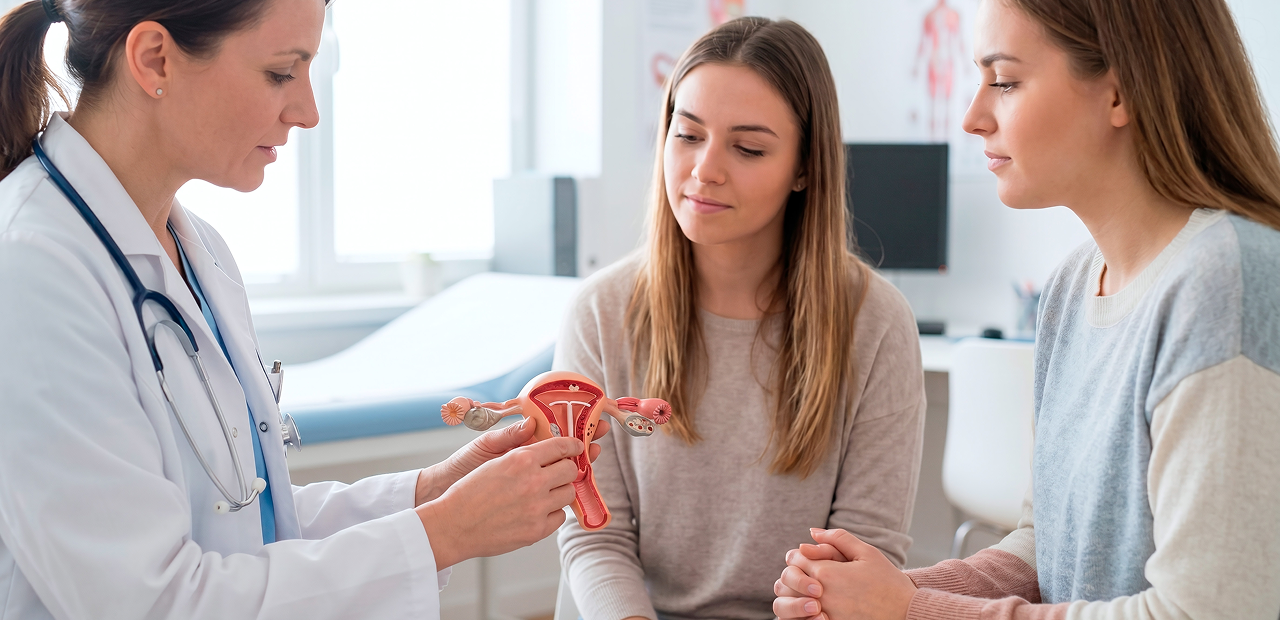
This type of dysmenorrhea is usually caused by an underlying disorder in a woman's reproductive organs. Some of these conditions include endometriosis, uterine fibroids, ovarian cysts, or pelvic infection. It can also be associated with the use of an intrauterine device (IUD) as a form of contraception. The pain associated with secondary dysmenorrhea often starts earlier in the menstrual cycle and tends to last longer than primary dysmenorrhea.

How to Find Relief from Period Cramps

While cramps can be frustrating, there are several ways to help manage discomfort:

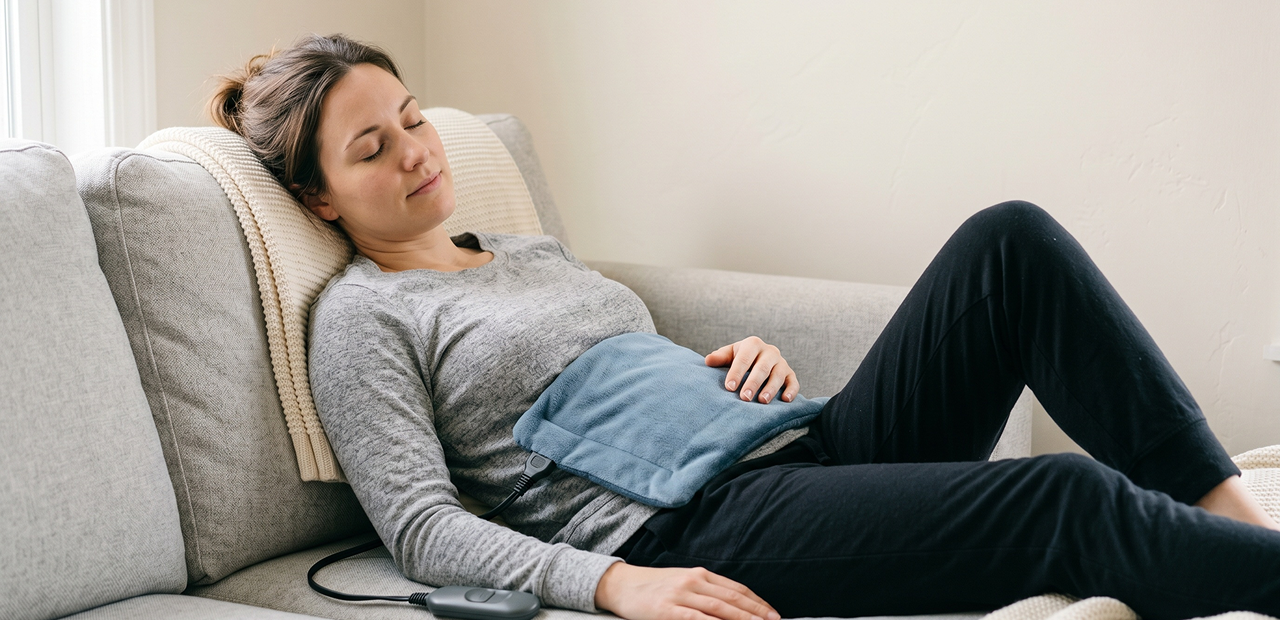
  • Apply heat to your lower abdomen
  • Stay active with light movement or exercise
  • Get enough rest and sleep
  • Stay hydrated
  • Talk with a healthcare professional about appropriate pain-relief options

Small changes can make a big difference in helping you feel more comfortable during your period.

When to Talk to a Healthcare Professional

It's a good idea to seek medical advice if:

  • Your period pain is severe or worsening
  • Cramps interfere with school, work, sports, or daily activities
  • Over-the-counter treatments aren't helping
  • You experience unusually heavy bleeding or other concerning symptoms

Remember, you know your body best. If something doesn't feel right, don't hesitate to reach out to a healthcare professional.

The Bottom Line

Period cramps can be uncomfortable, but understanding what's causing them can help you feel more in control of your cycle. Whether your cramps are mild or more intense, there are ways to manage the discomfort and support your well-being.

Most importantly, remember that every period experience is different. Learning what works best for your body is an important part of building confidence and taking charge of your menstrual health.
Sources:
ACOG brochure 46 Dysmenorrhea.
http://my.clevelandclinic.org/health/diseases_conditions/hic_Dysmenorrhea
ACOG by American congress of obstetricians and gynecologists

Product Recommender