Supporting Your Daughter Through Early or Late Puberty

Share
A family engaged in a warm conversation, smiling and enjoying quality time together at home

In this article, we'll cover:

Supporting Your Daughter Through Early or Late Puberty

Puberty can be an exciting yet challenging time for girls, and it’s essential to know how to support your daughter if she experiences early or late onset. Understanding what constitutes "early" or "late" puberty can help you navigate this phase together.

Understanding Puberty Timing

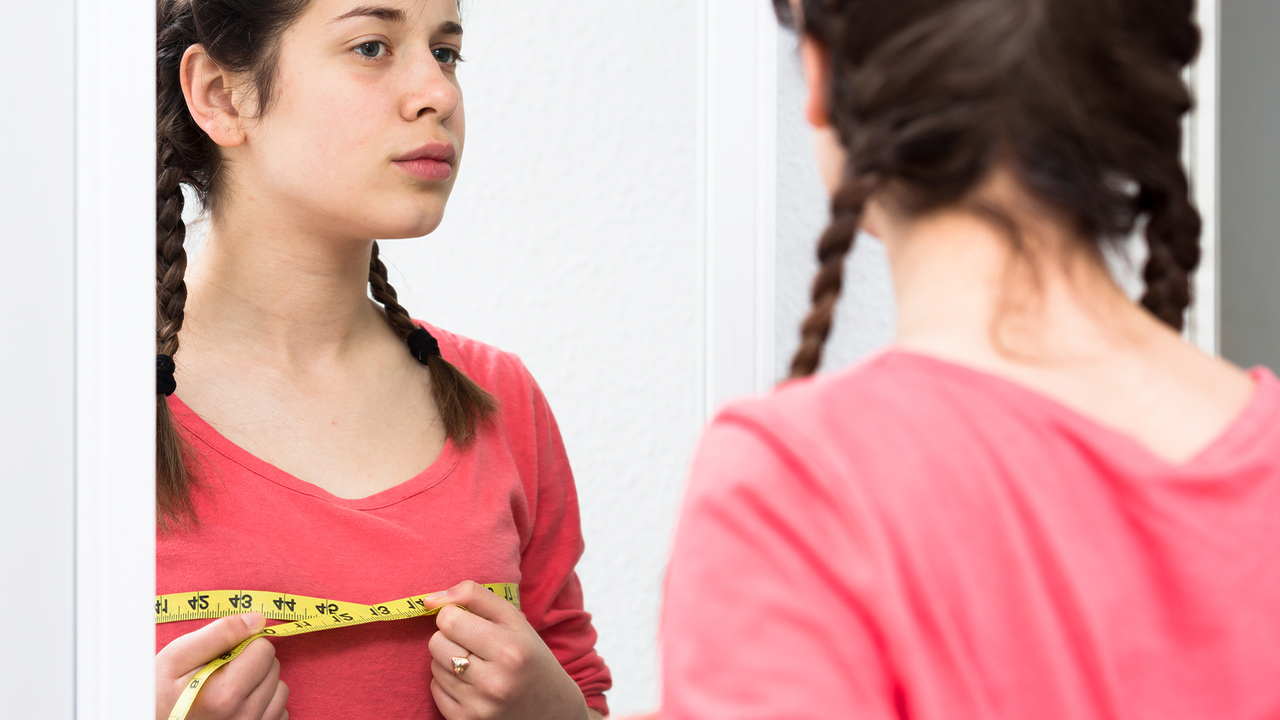
Typical Onset: Puberty for girls usually begins between ages 9 and 13, with breast bud development being one of the first signs. Menstruation typically occurs about two years later, between ages 11 and 15.

Early Puberty: If your daughter develops breast buds before age 8 and gets her first period by ages 9 or 10, she is experiencing early-onset puberty.

Causes of Early Puberty

Early-onset puberty is becoming more common, though the exact causes are not fully understood. Potential factors include:

Genetics: A family history of early puberty can increase the likelihood.

Obesity: Research suggests that higher body weight may contribute to early puberty onset.

When to Seek Medical Advice

If your daughter starts her period at ages 7 or 8, it's important to consult a doctor, as this may indicate a condition known as precocious puberty, which involves hormonal imbalances.

Supporting Your Daughter Through Early Puberty

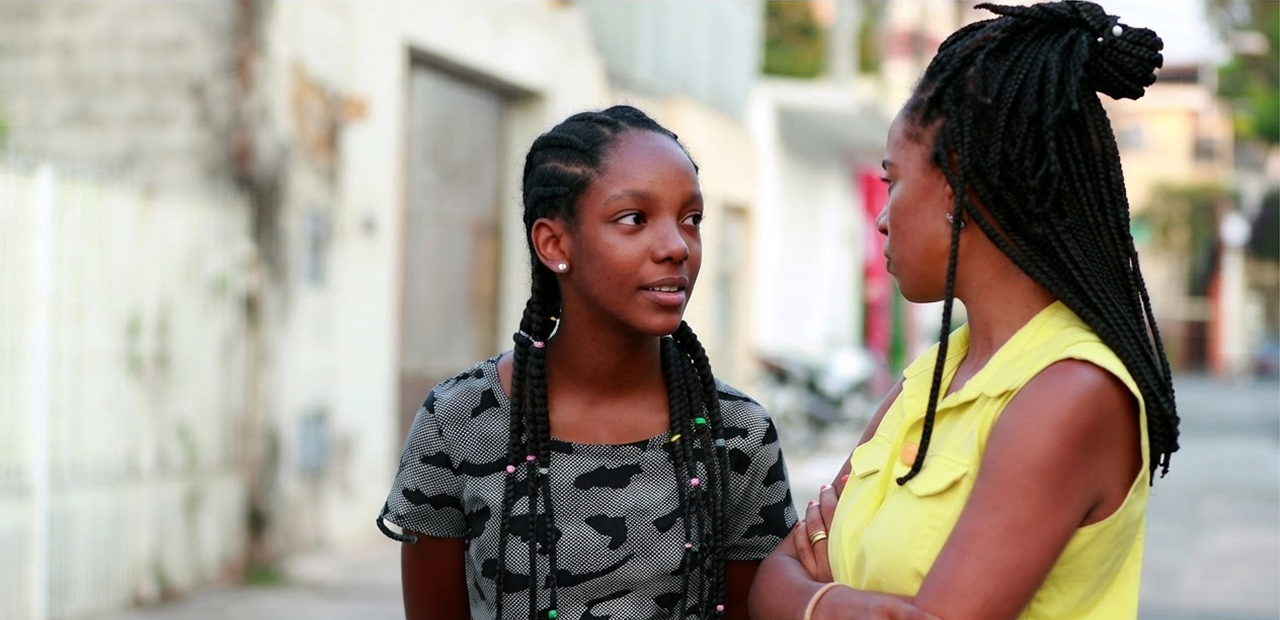
Open Communication: Talk to your daughter about the changes she is experiencing. Help her understand that early puberty is normal and nothing is "wrong" with her.

Educate Together: Read resources like the Always Changing & Growing Up Parents’ Guide to prepare for discussions about her body and reassure her about the changes.

Prepare for Menstruation: Discuss periods with her before they arrive. Watching educational videos, such as "Your Menstrual Cycle & Periods," can help normalize the conversation.

Positive Comparisons: Explain that going through puberty early is like arriving at a birthday party ahead of time—initially uncomfortable, but ultimately enjoyable as everyone joins in.

Encourage Preparedness: Suggest she carries period products in her school bag. Always Radiant Teen pads are a great option, as they are thin, flexible, and provide excellent protection.

Understanding Late Puberty

Indicators: If your daughter hasn’t shown signs of puberty by ages 13 or 14, or hasn’t started her period by age 16, she may be experiencing delayed puberty.

Causes: Common causes for late puberty include low body fat, often seen in athletes involved in extreme sports, or potential endocrine issues.

When to Seek Medical Advice for Late Puberty

If your daughter hasn’t started her period by age 16, encourage her to see an OB-GYN to explore possible solutions together.

Supporting Your Daughter Through Late Puberty

Emotional Support: It can be tough for your daughter to see her peers developing while she feels left behind. Remind her that everyone’s journey is unique and that they will all reach adulthood as strong, confident individuals.

Celebrate Individuality: Emphasize that how and when she develops is part of what makes her unique, and encourage her to embrace her individual timeline.

By fostering open communication and providing emotional support, you can help your daughter navigate the complexities of puberty, whether she experiences it early or late.

Product Recommender