Your First Gynecologist Visit: What to Expect and When to Go

Share
Your First Gynecologist Visit: What to Expect and When to Go

In this article, we'll cover:

Your First Gynecologist Visit: What to Expect and When to Go

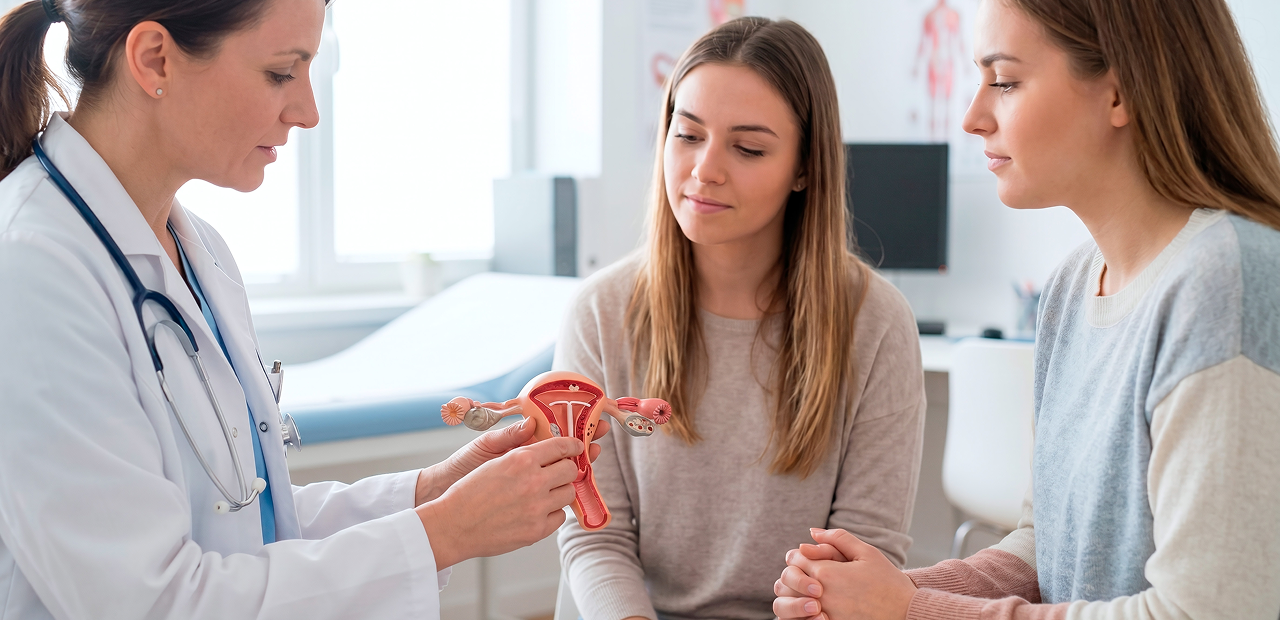
If you've never been to a gynecologist before, it's completely normal to have questions. The good news? Your first visit is often much simpler than many people expect.

A gynecologist is a doctor who specializes in reproductive and menstrual health. They can help answer questions about puberty, periods, body changes, and overall well-being. These visits are designed to help you feel informed, supported, and confident as you learn more about your body.

For many young women, a first gynecologist appointment is primarily a conversation. It's an opportunity to ask questions, discuss any concerns, and build a relationship with a healthcare professional you trust.

What Happens at a First Visit?

Every appointment is different, but your first visit may include a conversation about:

  • Your menstrual cycle and period symptoms
  • Puberty and body changes
  • Your overall health history
  • Questions or concerns you may have

Remember, no question is too small. Whether you're wondering about cramps, discharge, irregular periods, or changes in your body, your doctor is there to help.

When to Schedule Your First Gynecologist Visit

You don't need to visit a gynecologist as soon as you get your first period. Generally, a young woman should have her first gynecological visit around age 18, or when she becomes sexually active, whichever comes first. This initial appointment often focuses on education and preventive care rather than a physical exam.
However, there are specific situations where you should not hesitate to see a doctor sooner:

  1. Delayed Puberty: If you are 14 years old and have not noticed any signs of pubertal changes (like breast development or pubic hair growth).
  2. Absent Period: If you are 16 years old and have not yet had your first menstrual period.
  3. Severe Pain: Experiencing severe menstrual cramps or any other persistent pelvic pains.
  4. Abnormal Bleeding: Your period is extra heavy, unusual for you, or lasts more than a week.
  5. Vaginal Symptoms: You have vaginal itching, redness, sores, swelling, an unusual odor, or abnormal discharge.
  6. Suspected Pregnancy: If you think you might be pregnant.
  7. Sexual Health Discussion: You need to discuss contraception, safe sex practices, or sexually transmitted infections (STIs).
  8. Irregular Periods (After Initial Year): You've been having periods for more than a year and they remain very irregular.
  9. Missed Periods: You've missed more than three consecutive periods (You can wait three months if you are certain that you are not pregnant, but if there is a chance that you may be pregnant, you should see your doctor right away).
  10. Urinary Symptoms: You experience a burning sensation while urinating or frequent urination.
  11. Pelvic Injury: You've injured your pelvic area.
  12. Non Consensual Sex: You have experienced non consensual sexual activity.
  13. STI Exposure: You believe that you've been exposed to a sexually transmitted disease.
  14. Changes in Period Regularity: You notice a significant or concerning change in the regularity of your menstrual periods.
  15. Concerns About Body Image or Development: You have questions or concerns about your body's development, breast health, or body image that you'd like to discuss with a medical professional.

Remember, open communication with a healthcare professional is key to understanding your body and maintaining your health. If you have any concerns, it's always best to consult with a doctor.

Product Recommender