Supporting Your Daughter Through The Emotional Changes During Puberty

Share
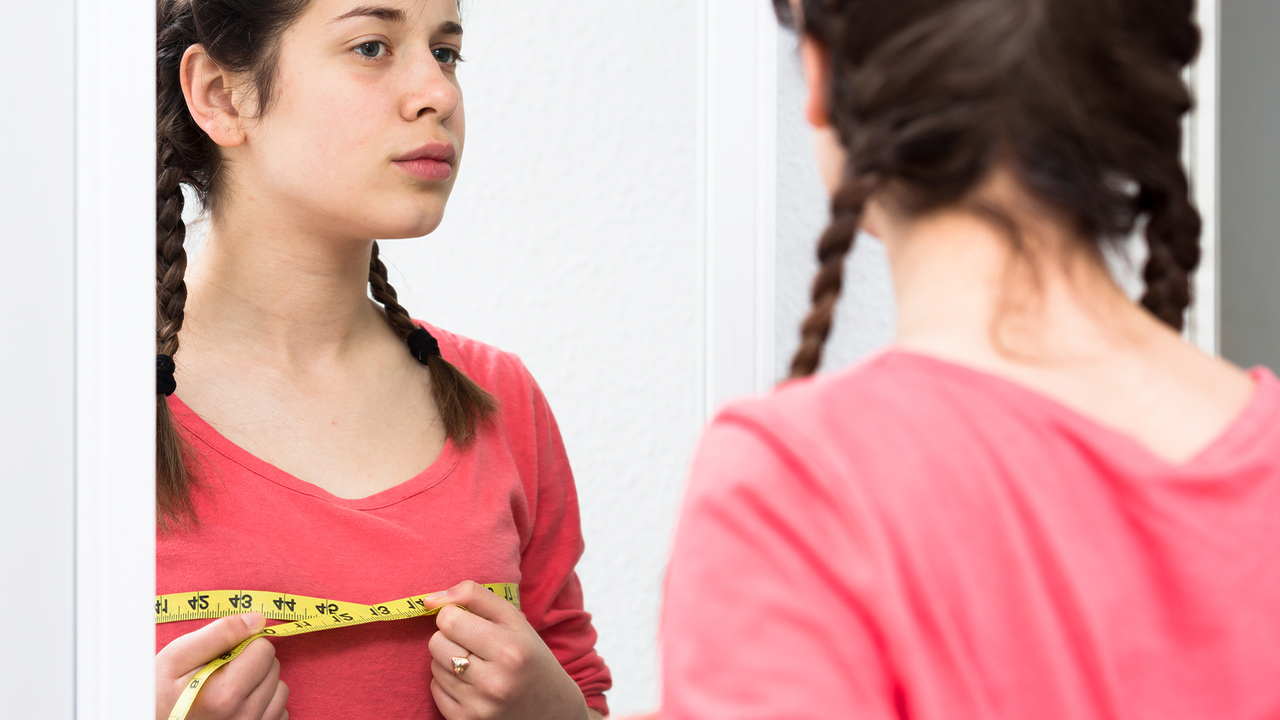
A girl is looking herself into the mirror and smiling

In this article, we'll cover:

Supporting Your Daughter Through The Emotional Changes During Puberty

Puberty isn't just a time of physical change. It's also a time of emotional growth, self-discovery, and learning how to navigate new experiences and feelings. As a parent, your support can make a big difference in helping your daughter feel understood, confident, and comfortable during this transition.

Understanding the Emotional Side of Puberty

As your daughter's body changes, it's normal for her emotions to shift, too. Hormonal changes, new social experiences, and growing independence can all affect how she feels from day to day.

You may notice:

  • Mood Swings: Rapid shifts from happiness to sadness, anger, or frustration can be common.
  • Increased Sensitivity: She might become more easily upset or reactive to situations.
  • Feelings of Sadness or Being "Down": Occasional bouts of feeling low are normal as she processes changes and new experiences.
  • Sulky or Rebellious Behavior: This can be a way for her to assert independence and explore her identity.

While these changes can sometimes be challenging, they're a normal part of growing up. Try not to take them personally. Puberty is an important stage of development as your daughter learns more about who she is and who she's becoming.

Supporting Her Journey of Self-Discovery

During puberty, your daughter is developing her own interests, opinions, and sense of identity. She may:

Explore new hobbies and passions

  • Become more focused on friendships and social relationships
  • Start thinking differently about herself and the world around her
  • Sometimes feel misunderstood or unsure of where she fits in

This is all part of growing up. Your role isn't to have all the answers, but to provide reassurance, encouragement, and a safe place for her to be herself.

How to Help Your Daughter Feel Supported

Validate Her Feelings

Even when her emotions seem big or difficult to understand, letting her know that her feelings matter can help her feel heard and supported.

Try saying:

"That sounds really frustrating."

"I can see why you'd feel that way."

"It's okay to feel upset sometimes."

Simple validation can go a long way toward building trust and connection.

Build Her Confidence

Puberty can sometimes make girls feel self-conscious about their changing bodies. Help your daughter focus on what her body can do rather than how it looks.

You can support her confidence by:

  • Encouraging her interests and talents
  • Celebrating effort, not just achievements
  • Giving her age-appropriate responsibilities

Reminding her that everyone's puberty journey is different

Keep Communication Open

As children grow, they may not always want to talk right away, and that's okay.

Look for natural opportunities to connect, whether it's during a car ride, while watching a show together, or at bedtime. Let her know you're available whenever she wants to talk and that no question is off limits.

The goal isn't to have one big conversation. It's to create an environment where ongoing conversations feel normal.

Learn Together

The more you understand about puberty, the more confident you'll feel supporting your daughter through it. Learning together can also help normalize conversations about body changes, periods, and emotional well-being.

Remember: Your Support Matters

Puberty can bring plenty of questions, emotions, and changes, but it can also be an empowering time. When your daughter feels supported, listened to, and accepted, she's more likely to develop confidence in herself and trust in the people around her.

You don't need to have all the answers. Simply being present, keeping communication open, and reminding her that what she's experiencing is normal can help her navigate puberty with confidence.

For more guidance on talking about puberty and body changes, explore, which includes details on physical changes.

Product Recommender