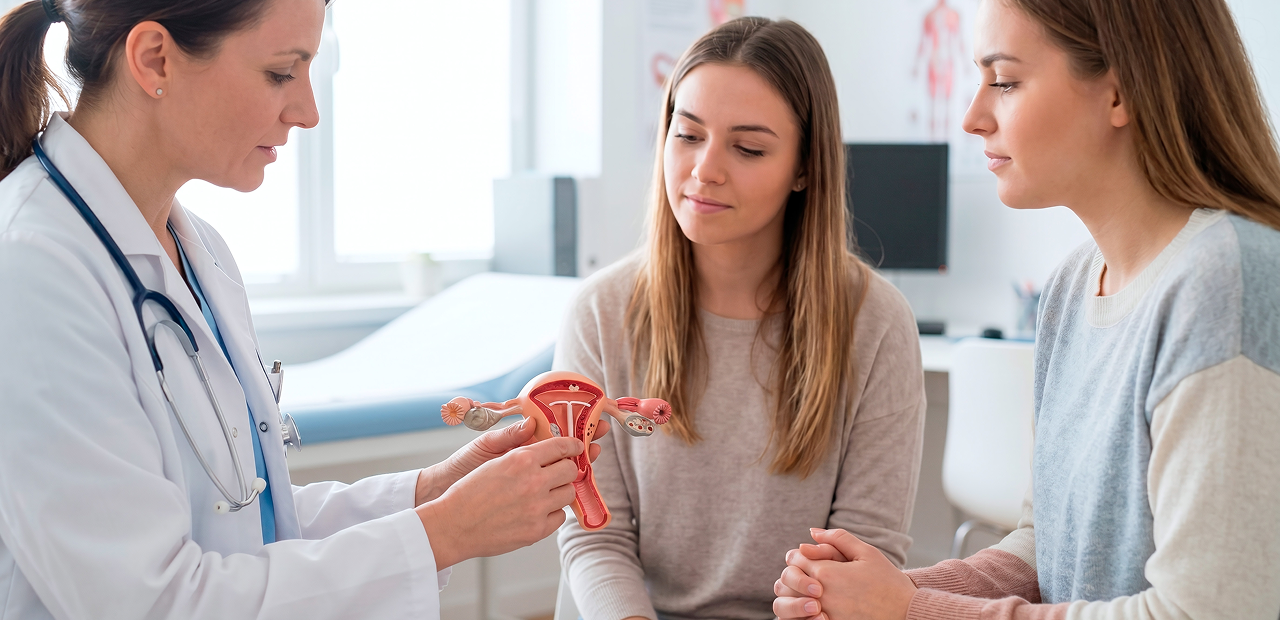
Periods are a normal part of growing up, but myths and misinformation can make them feel confusing or intimidating. From social media to conversations with friends, girls may hear mixed messages about menstruation, puberty, and reproductive health.
As a parent, you can help your daughter separate fact from fiction and build confidence in understanding her body. Here are 15 common period myths and the facts behind them.
1. Myth: Periods Are Something to Be Embarrassed About
Fact: Menstruation is a normal biological process experienced by millions of people around the world. Open conversations help reduce stigma and encourage girls to seek information and support when they need it.
2. Myth: Talking About Periods Too Early Will Scare Kids
Fact: Age-appropriate conversations before a first period often help girls feel more prepared and less anxious when it arrives.
3. Myth: Every Girl Will Tell Her Parents When She Gets Her First Period
Fact: Some girls are eager to share the news, while others prefer more privacy. Creating a supportive environment can help your daughter feel comfortable talking when she's ready.
4. Myth: You Need to See a Doctor Right After Your First Period
Fact: Getting a first period is a normal milestone and doesn't automatically require a doctor's visit. However, severe pain, very heavy bleeding, or other concerns should be discussed with a healthcare professional.
5. Myth: Everyone's Period Should Look the Same
Fact: Every body is different. Period length, flow, symptoms, and cycle timing can vary from person to person. It's also common for periods to be somewhat irregular during the first few years after they begin.
6. Myth: Everyone's Period Should Last Seven Days
Fact: Some periods last only a few days, while others last longer. What's most important is understanding what's typical for your body.
7. Myth: Everyone Experiences PMS the Same Way
Fact: Every body is different. Some people experience noticeable PMS symptoms, while others experience very few. There is no single "normal" PMS experience.
8. Myth: PMS Is "All in Your Head"
Fact: PMS symptoms are real and can affect both physical and emotional well-being. Common symptoms include cramps, bloating, headaches, fatigue, and mood changes.
9. Myth: You Should Avoid Exercise During Your Period
Fact: Many people find that movement helps ease cramps, boost mood, and increase energy. Activities like walking, stretching, sports, and yoga can all be beneficial.
10. Myth: You Can't Play Sports on Your Period
Fact: Many athletes train, compete, and perform at high levels during their periods. Having a period doesn't mean girls need to sit on the sidelines.
11. Myth: You Can't Swim During Your Period
Fact: Many people continue swimming and participating in water activities while on their period. The key is choosing period products that help them feel comfortable and confident. Products like tampons and menstrual cups can help provide protection in the water, allowing girls to stay active and comfortable.
12. Myth: Tampons Aren't for Beginners
Fact: Menstrual product choice is a matter of comfort and personal preference. Some girls start with pads, while others prefer tampons, period underwear, or menstrual cups.
13. Myth: Period Tracking Is Only for Adults
Fact: Learning to track a cycle can help girls understand their bodies, recognize patterns, prepare for upcoming periods, and build confidence from an early age.
14. Myth: Heavy Periods Are Just Something You Have to Deal With
Fact: While flow varies from person to person, periods that regularly interfere with daily activities or feel unusually heavy should be discussed with a healthcare professional.
15. Myth: Social Media Always Has Accurate Period Advice
Fact: Social media can be a great place to share experiences, but not all menstrual health advice online is accurate. Encourage your daughter to look to trusted sources and healthcare professionals when she has questions.