What Is PMS? Understanding Premenstrual Syndrome

Share
Three individuals sitting on a bench, holding notebooks and wearing casual clothing, engaged in conversation outdoors

In this article, we'll cover:

What Is PMS? Understanding Premenstrual Syndrome

Have you ever noticed that you feel a little different in the days before your period starts? Maybe you're more emotional than usual, have less energy, or experience symptoms like cramps or bloating. If so, you may be experiencing PMS, or premenstrual syndrome.

PMS is a common part of the menstrual cycle, and understanding it can help you feel more prepared for the changes your body may experience each month.

What Is PMS?

PMS is a group of physical and emotional symptoms that can occur during the days or weeks before your period begins.

These symptoms typically appear after ovulation and improve or go away once your period starts. While many girls and women experience PMS, the symptoms and severity can vary from person to person.

Common PMS Symptoms

PMS can affect both your body and your mood. Common symptoms include:

Physical Symptoms

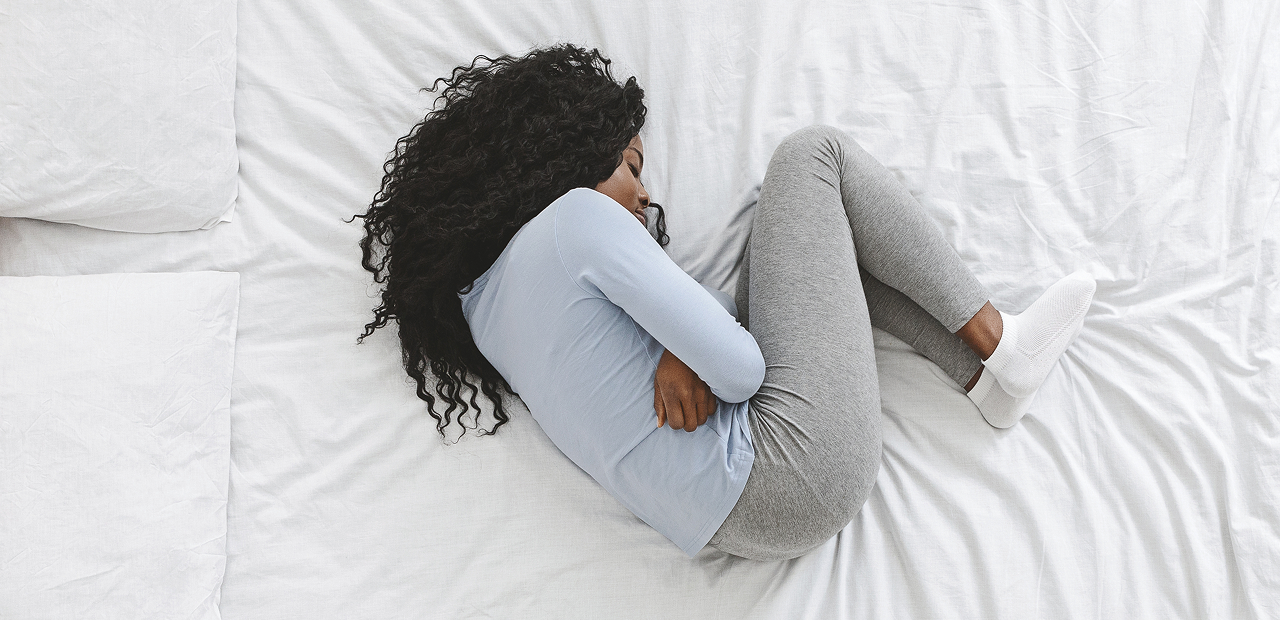
  • Cramps
  • Bloating
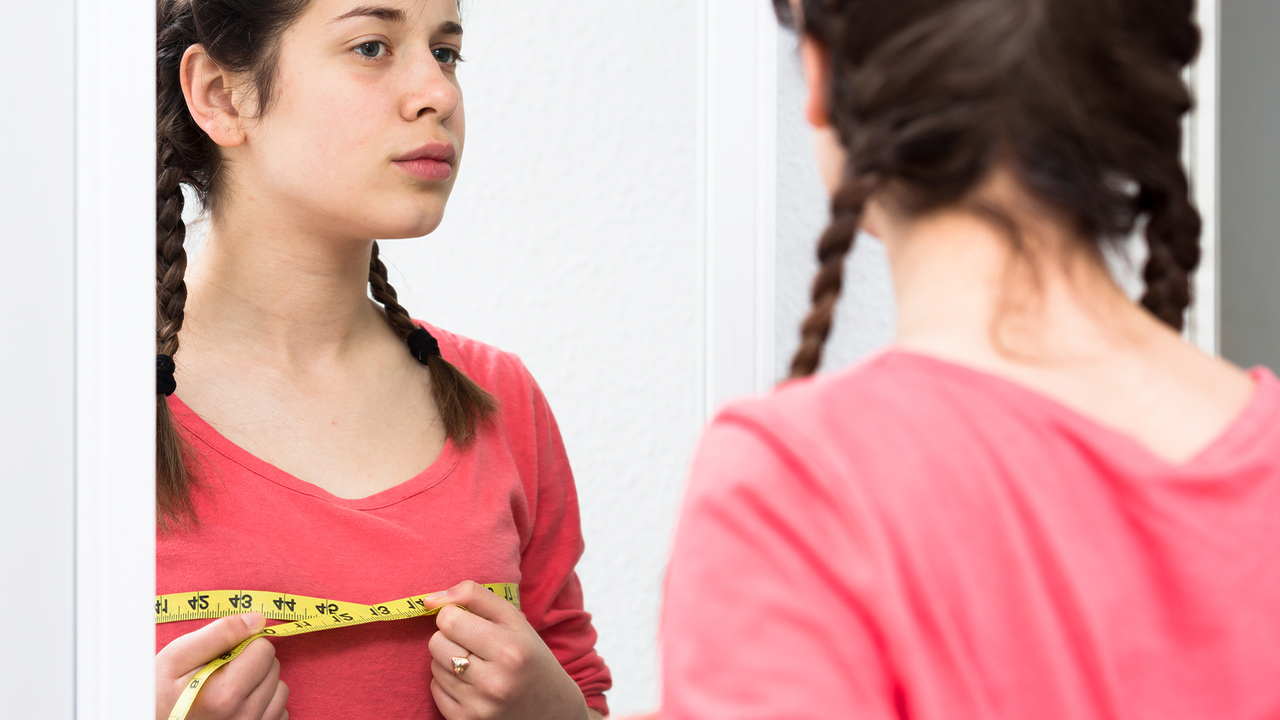
  • Breast tenderness
  • Headaches
  • Backaches
  • Muscle aches
  • Breakouts or acne flare-ups
  • Feeling more tired than usual

Emotional Symptoms

  • Irritability
  • Mood swings
  • Feeling emotional or tearful
  • Trouble concentrating
  • Feeling stressed or overwhelmed
  • Changes in appetite

Not everyone experiences the same symptoms, and your symptoms may change from month to month.

What Causes PMS?

Experts believe PMS is linked to the natural hormonal changes that occur during the menstrual cycle.

In the days leading up to your period, levels of estrogen and progesterone rise and fall. These hormonal shifts can affect both your body and emotions, leading to the symptoms associated with PMS.

Who Experiences PMS?

PMS is very common. In fact, most girls and women experience at least one PMS symptom at some point in their lives.

The good news is that learning to recognize your own cycle patterns can help you better understand what to expect and feel more in control of your monthly cycle.

How Can You Manage PMS?

While there's no single solution that works for everyone, healthy habits can often help reduce PMS symptoms and support your overall well-being.

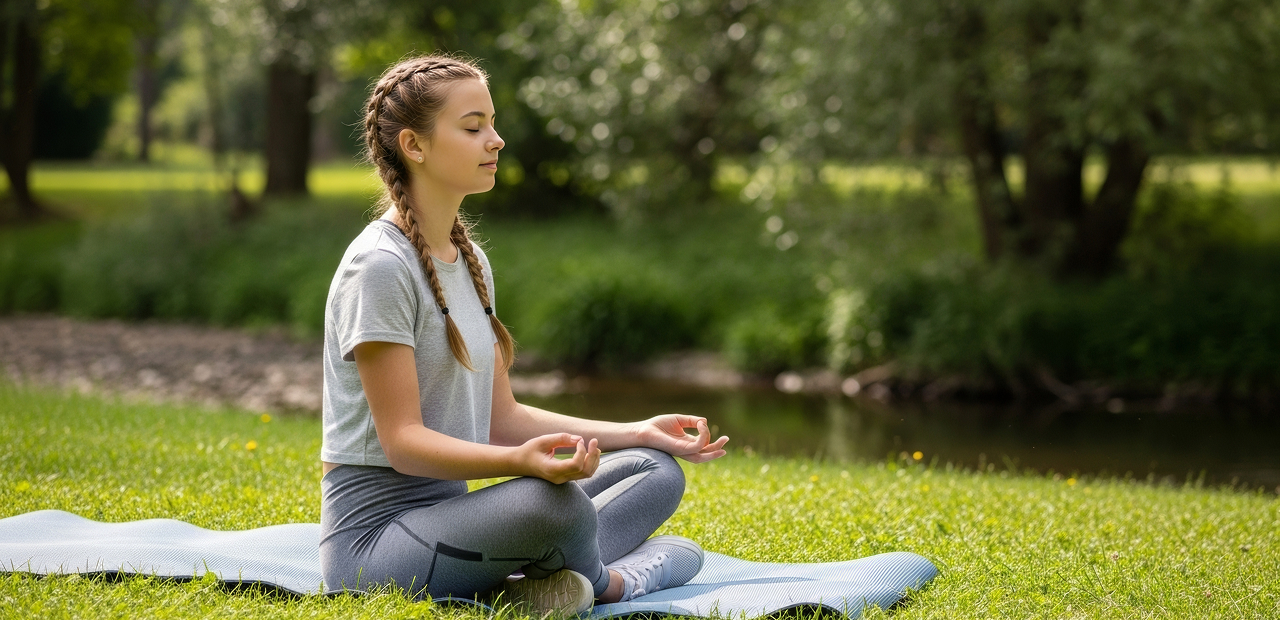
Stay Active

Regular physical activity can help boost mood, reduce stress, and support overall menstrual health.

Prioritize Sleep

Getting enough sleep can help improve energy levels, mood, and emotional well-being, especially during the days leading up to your period.

Eat a Balanced Diet

Nutritious meals, staying hydrated, and limiting excess caffeine or highly processed foods may help some people feel their best during PMS.

Manage Stress

Activities such as walking, stretching, journaling, listening to music, or practicing mindfulness can help you relax and manage stress.

Track Your Cycle

Keeping track of your period can help you recognize patterns and anticipate symptoms before they happen. Many people use a calendar, journal, or period-tracking app to monitor their cycles.

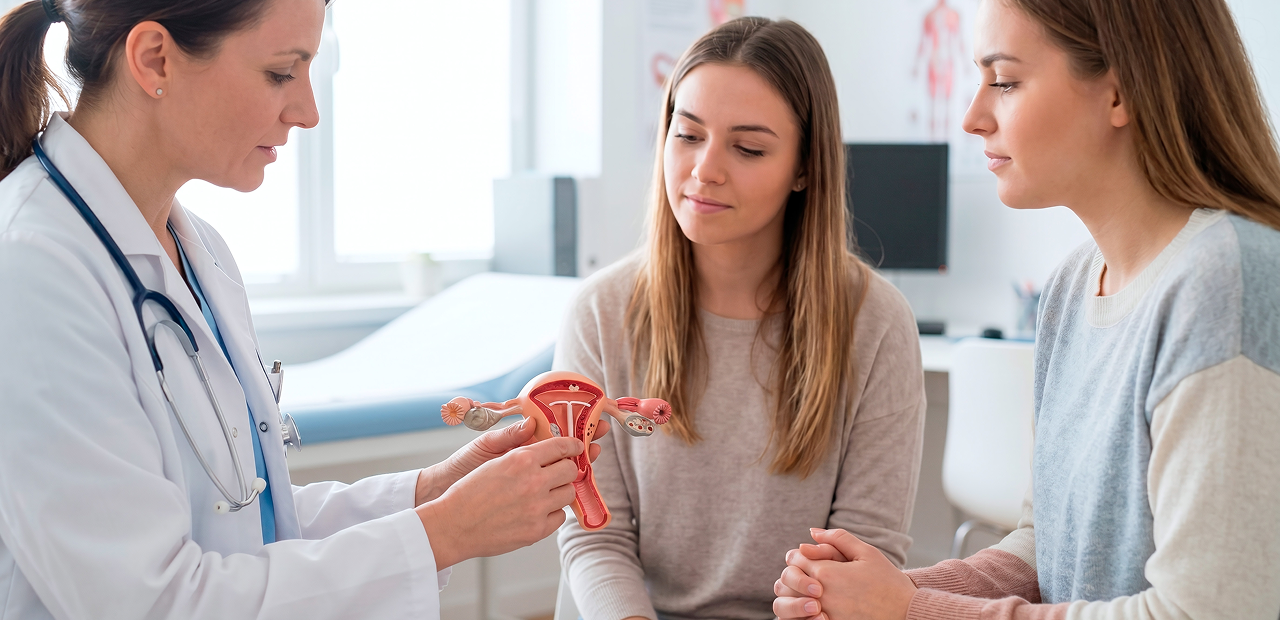
When Should You Talk to a Healthcare Professional?

While PMS is common, you should talk to a healthcare professional if:

  • Symptoms significantly affect school, work, sports, or daily activities

  • Mood changes feel overwhelming

  • Symptoms seem to be getting worse over time

  • You're concerned about your menstrual health

A healthcare professional can help you better understand your symptoms and discuss options that may help.

Remember: Every Experience Is Different

PMS can look different for everyone. Some people have only a few mild symptoms, while others notice more significant changes before their period.

The important thing is learning what feels normal for your body. The more familiar you become with your cycle, the more prepared and confident you'll feel managing the changes that come with it each month.

Product Recommender