Always FlexFoam vs. Traditional Pads: What’s the Difference?

Share
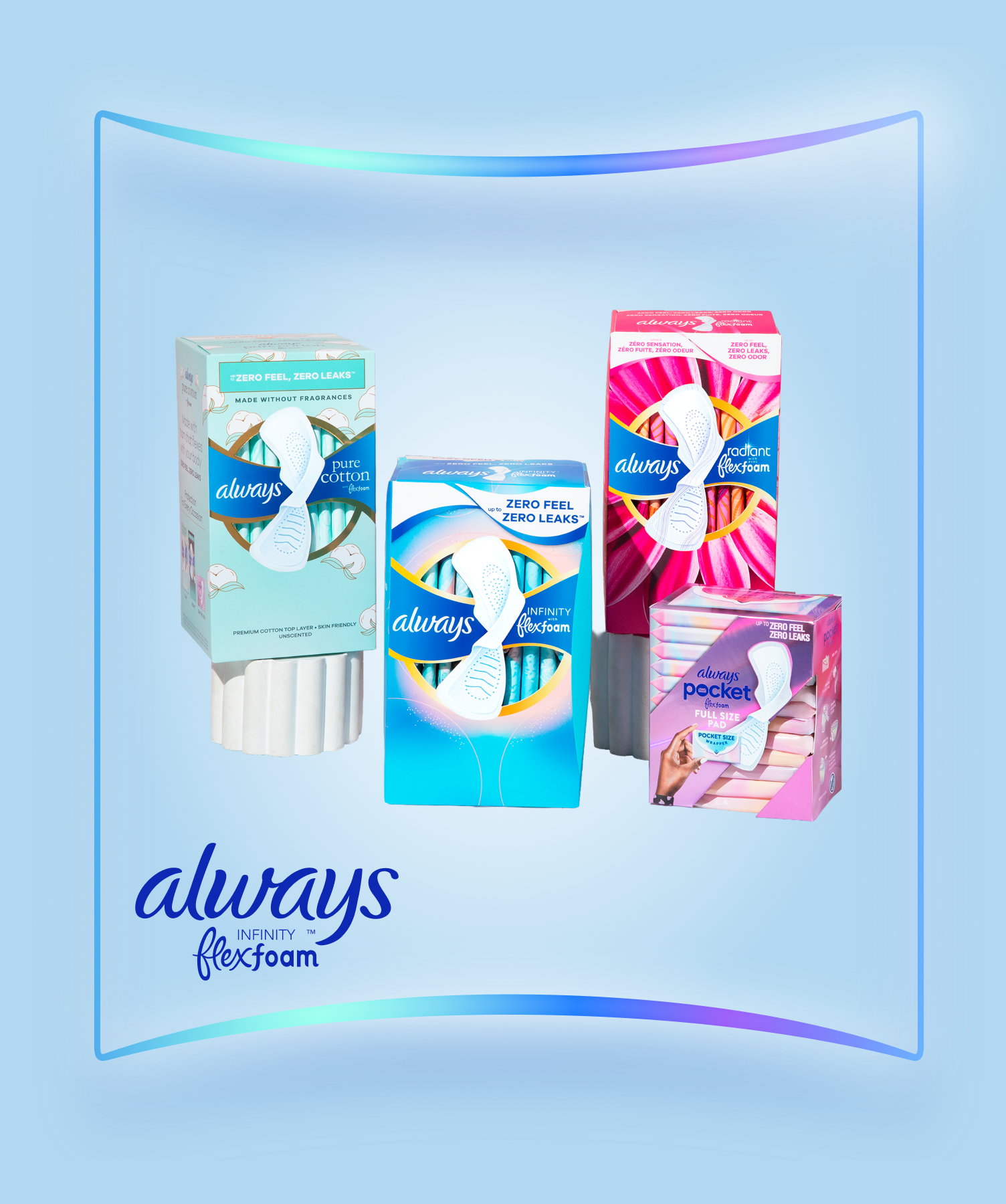
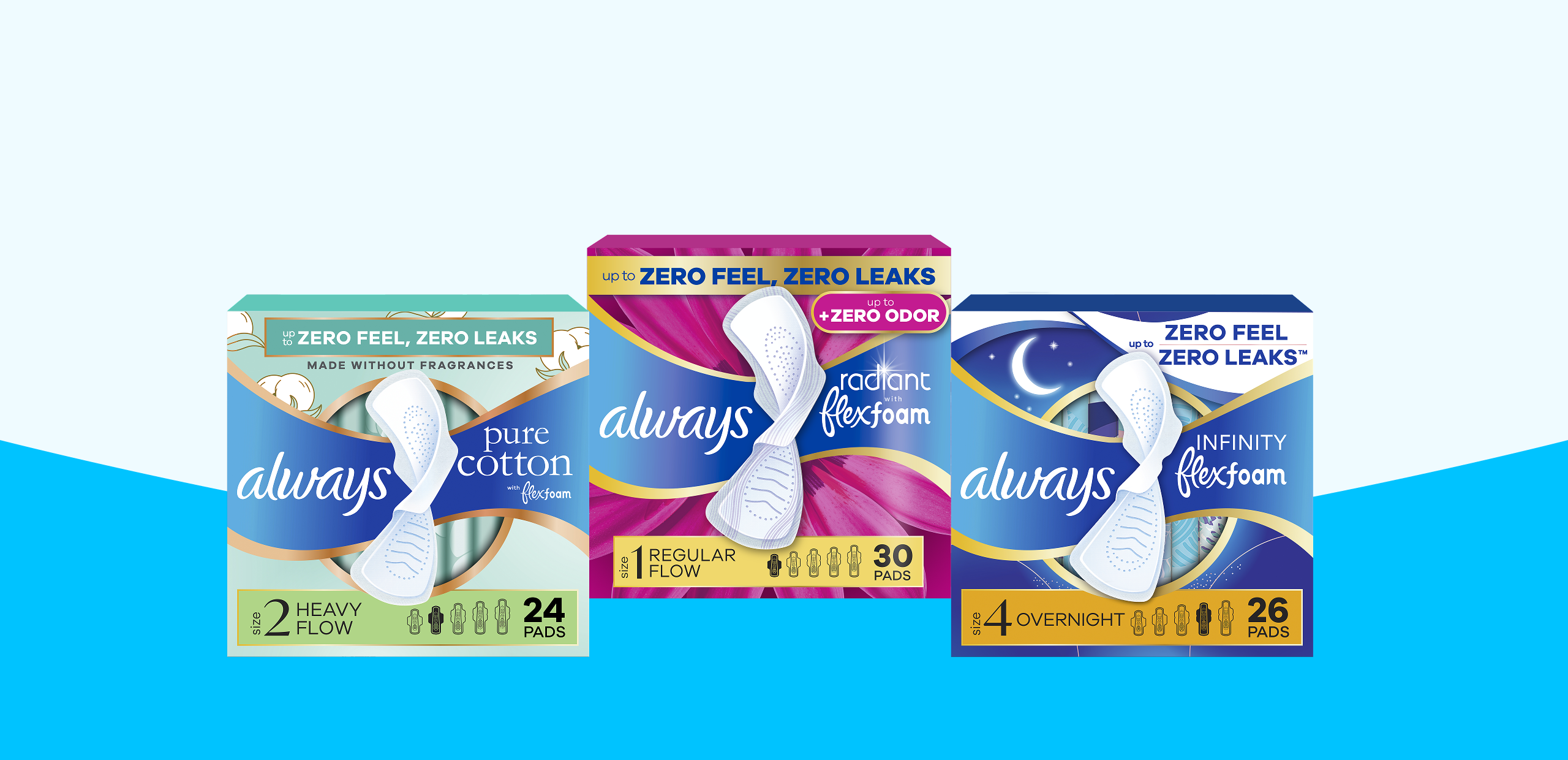
Range of Always FlexFoam pad packs, showing how FlexFoam differs from traditional pads

Always FlexFoam vs. Traditional Pads: What’s the Difference?

Quick answer: FlexFoam pads are different from many traditional pads because they use a thin, foam-based absorbent core instead of relying mainly on a thicker pulp-based core.

Many people compare period pads because they want protection that feels comfortable, reliable, and right for their body. Instead of using thickness as the main sign of protection, FlexFoam uses a lightweight, super absorbent structure that helps keep the pad thin, flexible, and close-fitting.

What is a traditional pad core?

Many traditional period pads use a thicker absorbent core made with pulp-based materials. These pads can work well, but some people dislike the feeling of bulk, bunching, or stiffness.

What is different about FlexFoam?

FlexFoam refers to the foam-based absorbent core—not the entire pad. Think of it like a sponge: tiny spaces help pull period fluid into the pad and hold it within the core. The parts that touch your skin, such as the topsheet, are similar to those used in many traditional pads. What makes FlexFoam different is the absorbent core inside the pad and how it helps manage fluid while keeping the pad thin and flexible.

This design helps FlexFoam pads feel thinner, more flexible, less bulky, and protective during movement.

Which pad is better: FlexFoam or traditional pads?

There is no single best pad for everyone. The right choice depends on your flow, your skin, and what feels comfortable to you. FlexFoam may be a good choice if you want a thinner-feeling pad, strong protection with less bulk, a pad that moves with your body, or a dry feeling surface. A traditional pad may be preferred by people who like a thicker feel or are more familiar with pulp-based absorbent materials.

The bottom line

FlexFoam is different from many traditional pads because it uses a thin, absorbent foam core designed to pull fluid in and hold it away from the body. Traditional pads often rely more on thicker absorbent cores. FlexFoam was created to help deliver protection with less bulk, more flexibility, and a dry feeling surface.

FAQs

How is FlexFoam different from regular pads?

FlexFoam uses a thin, foam-based absorbent core instead of relying mainly on a thicker pulp-based core. It is designed to absorb fluid while staying flexible and feeling less bulky.

Are FlexFoam pads plastic?

FlexFoam pads include some man-made materials, including types of plastics. These types of materials are commonly used in cosmetics and everyday products. In FlexFoam, they help the pad absorb fluid, bend with your body, and protect against leaks.

Is FlexFoam better than cotton?

It depends on what you prefer. Cotton is a natural fiber that some people like against their skin. FlexFoam refers to the absorbent core inside the pad—the part that helps keep the pad thin while absorbing fluid. With the Always Pure Cotton with FlexFoam variant, you can have both: a cotton topsheet against your skin and a FlexFoam core for thin, flexible protection.

Are traditional pads safer than FlexFoam pads?

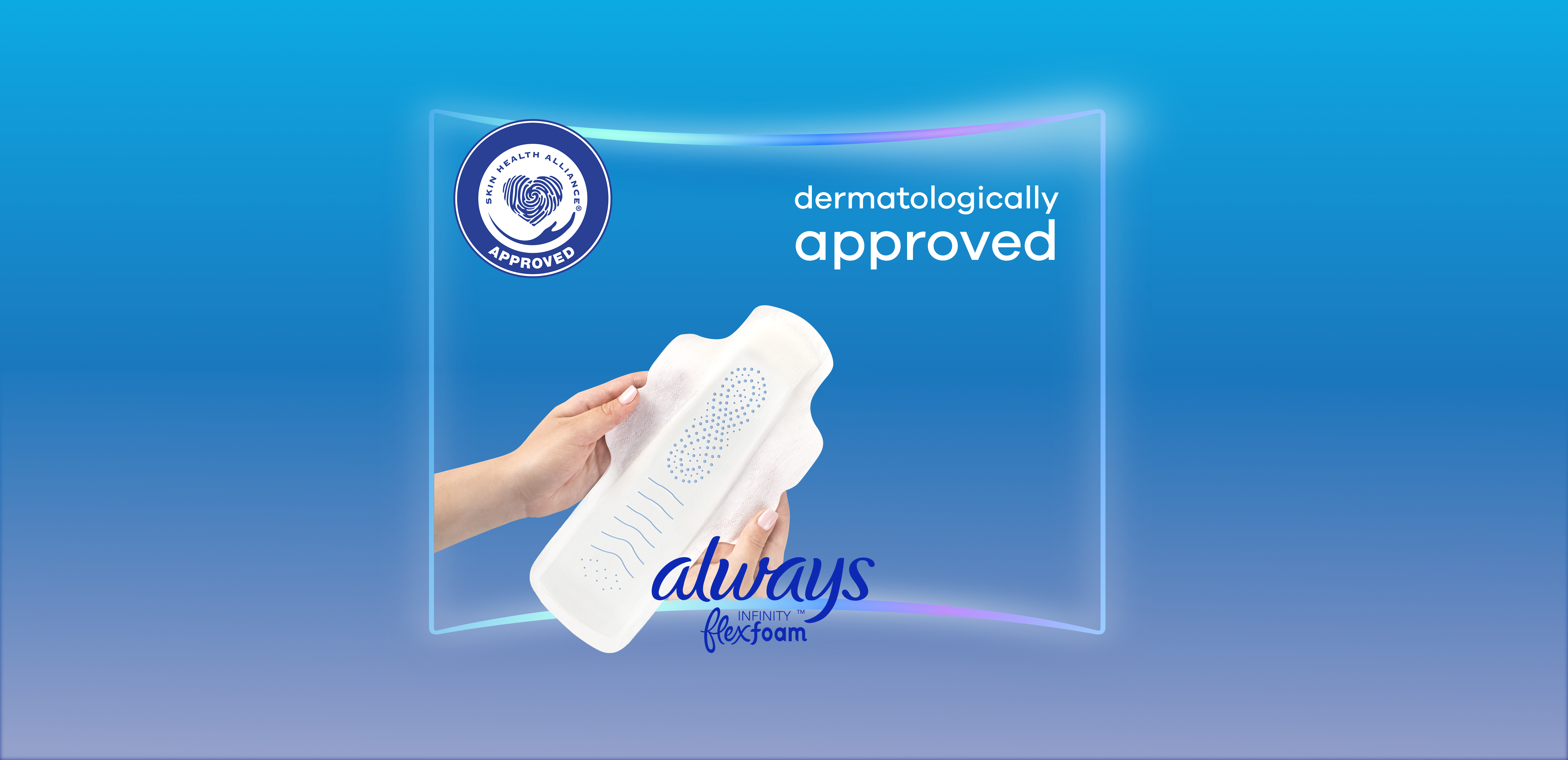
Safety depends on the full product design, the materials used, and how those materials are evaluated. Always evaluates materials and finished products for their intended use. All Always pads, including FlexFoam pads, are dermatologist approved by Skin Health Alliance. All always pads, regardless if they are FlexFoam or the traditional pads you know, are safe to use.

Product Recommender