Skin Health Alliance: Busting Common Skin Safety Myths

Share
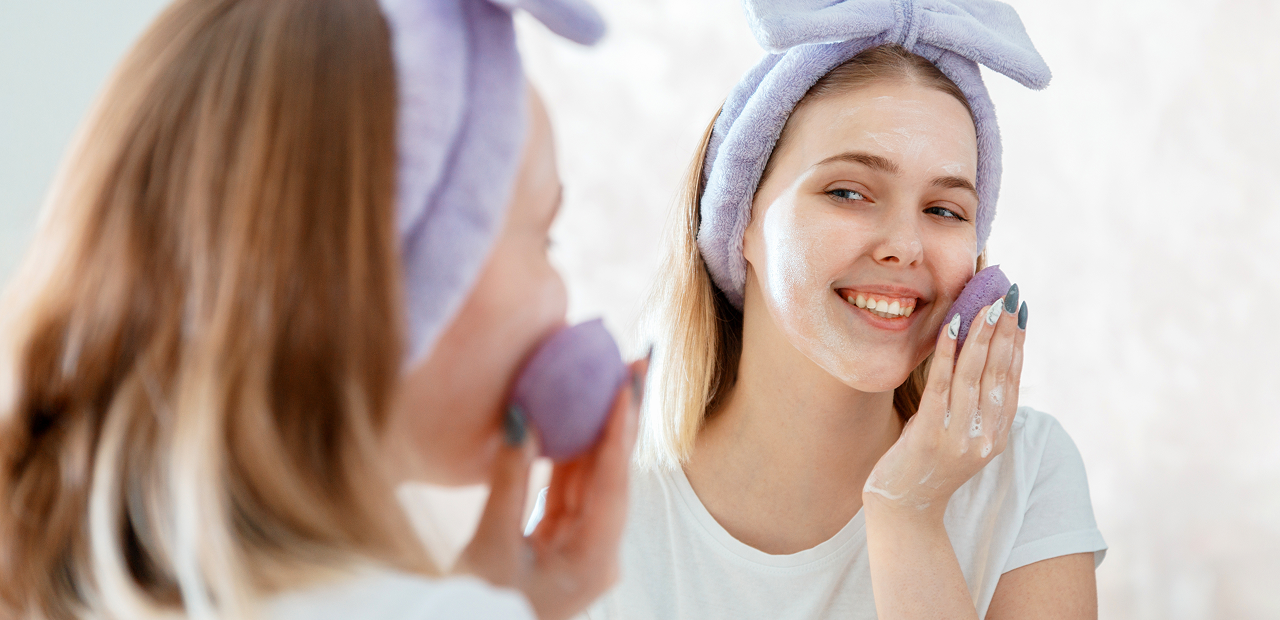
Smiling woman applying a face mask in the mirror during her gentle skincare routine

In this article, we'll cover:

Skin Health Alliance: Busting Common Skin Safety Myths

Reviewed by a Dermatologist at the Skin Health Alliance

It's easy to get confused about what's truly good for your skin, especially with so many ideas floating around. Let's clear up some common myths with a scientific look, just like the Skin Health Alliance (SHA) does!

Myth #1: "Fragrance" is Always Bad for Your Skin

When you see "fragrance" on an ingredient list, it can sound scary. But here's the truth: "fragrance" isn't just one unknown chemical. It's actually a carefully made blend of ingredients, often put together by expert scent designers and scientists! For big brands, These fragrances are rigorously tested and must meet high safety standards.

Think about it:

  • Rules and Regulations: Countries like the U.S. (with the FDA) and those in Europe have strict rules about what can go into products, including fragrances. These regulations say which ingredients can be used, how much, and under what conditions. Products often have to go above and beyond these rules!
  • Third Party Organizations: There are also groups like the International Fragrance Association (IFRA) that set even more strict rules. They make sure fragrance ingredients are safe based on scientific proof. This includes setting limits on how much of certain ingredients can be used and even banning some completely. At Always, we follow all of the strictest regulations ensuring the upmost safety in the products you use.
  • Testing, Testing, Testing: Before a product with fragrance gets to you, it goes through tons of safety checks. This includes testing each ingredient and then testing the final product on people (like patch tests) to make sure it won't irritate skin or cause allergies under normal use.
    So, while a tiny number of people might be sensitive to certain fragrance ingredients (just like some people are sensitive to certain foods), for most of us, properly made and tested fragrances are perfectly safe.

Myth #2: All Skin Reactions are Allergies

It's common to hear people say they're "allergic" to a product if it makes their skin uncomfortable. But there's a big difference between irritation and a true allergy:

  • Irritation: This happens when something bothers your skin. It might feel itchy, red, or tingly. Many well-made products, including those with fragrance, are designed specifically not to irritate skin. If irritation happens, it's usually caught during testing.
  • Allergy: A true allergy is when your body's immune system overreacts to a specific ingredient. This is much rarer than irritation. If you have a true allergy to a fragrance ingredient, your doctor can help you figure it out. For those cases, there are plenty of fragrance-free options available!

The bottom line is that well-tested products are designed to avoid irritation. And while true allergies to specific ingredients can happen, they are not nearly as common as general skin irritation.

Myth #3: "Natural" or "Organic" Products are Always Safer

It's a nice thought that anything natural or organic must be better for your skin. But this isn't always true! Just like with processed foods, the world of natural ingredients can be complex.

  • Nature Isn't Always Gentle: Many natural ingredients, like certain plant extracts or essential oils, can actually be quite irritating or cause allergic reactions in some people. Think about poison ivy – it's natural, but definitely not skin-friendly! Or think about wearing cotton to workout! Sometimes it’s good to look for gentle performance materials!
  • Safety Still Needs Testing: Whether an ingredient is natural or man-made, it still needs to be tested for safety. The SHA's scientific review process doesn't just look at whether an ingredient is natural; it looks at how it affects skin.
  • "Organic" Means How It's Grown, Not Always How It Acts: "Organic" usually refers to how an ingredient was grown or produced (without certain pesticides, for example). It doesn't automatically mean it's safer for your skin or less likely to cause a reaction.

So, while natural and organic products can be great, don't assume they are automatically safer. What truly matters is rigorous testing and scientific validation, which is exactly what the Skin Health Alliance looks for!

The SHA helps cut through these myths by focusing on solid science. When a product has their mark, it means experts have looked closely at all the facts, no matter what claims are being made.

Product Recommender