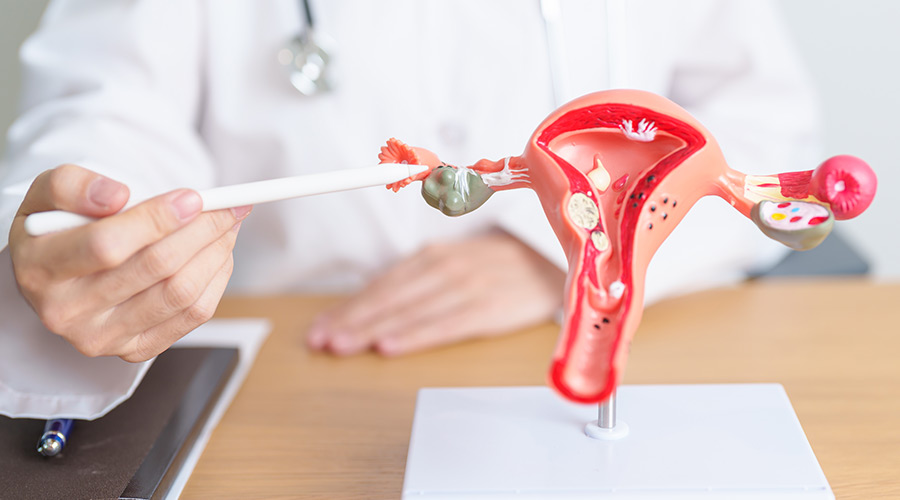
Uterine fibroids are non-cancerous growths that develop in or around the uterus. An estimated 26 million women in the United States are living with fibroids, and up to 70–80% of women may develop them by age 50.¹ While some women experience no symptoms, others may notice changes that affect daily life. Fibroids vary in size and location, and symptoms can differ from person to person.
Common Symptoms of Fibroids
- Heavy menstrual bleeding
- Periods lasting longer than a week
- Pelvic pressure or pain
- Frequent urination
- Fatigue, which may be related to anemia
If symptoms interfere with daily activities, speaking with a healthcare provider can help determine appropriate evaluation and care options.
How Are Fibroids Related to Heavy Menstrual Bleeding?
Fibroids are one potential cause of heavy menstrual bleeding. Depending on their size and placement, fibroids can affect the uterine lining and may contribute to increased menstrual flow. Heavy menstrual bleeding affects millions of women and is often misunderstood or under-discussed. Understanding the possible connection between fibroids and menstrual changes can help women have more informed conversations with their healthcare providers.
Frequently Asked Questions About Uterine Fibroids
What are uterine fibroids?
Fibroids are noncancerous growths that develop in or on the uterus and are common during reproductive years.
How common are fibroids?
Up to 80% of women may develop fibroids by age 50, though many go undiagnosed.
Do fibroids always cause symptoms?
No. Some women have fibroids without noticeable symptoms, while others experience significant impacts.
How are fibroids diagnosed?
Fibroids are typically diagnosed through pelvic exams and imaging such as ultrasound or MRI.
Footnote
¹ Baird DD, Dunson DB, Hill MC, Cousins D, Schectman JM. High cumulative incidence of uterine leiomyoma in black and white women: ultrasound evidence. Am J Obstet Gynecol. 2003;188(1):100–107. doi:10.1067/mob.2003.99